
Introduction
A door sensor triggers at 3 a.m., and within minutes, a live agent is already calling to check if it’s real. That’s the core idea behind Alliance home security — a monitored alarm system built around human verification, not just app alerts. If you’ve searched this name and aren’t sure what you’re actually signing up for, this guide breaks down how the system works, what’s included, and what to check before committing to a contract.
Table of Contents
How the Alliance Home Security System Actually Works
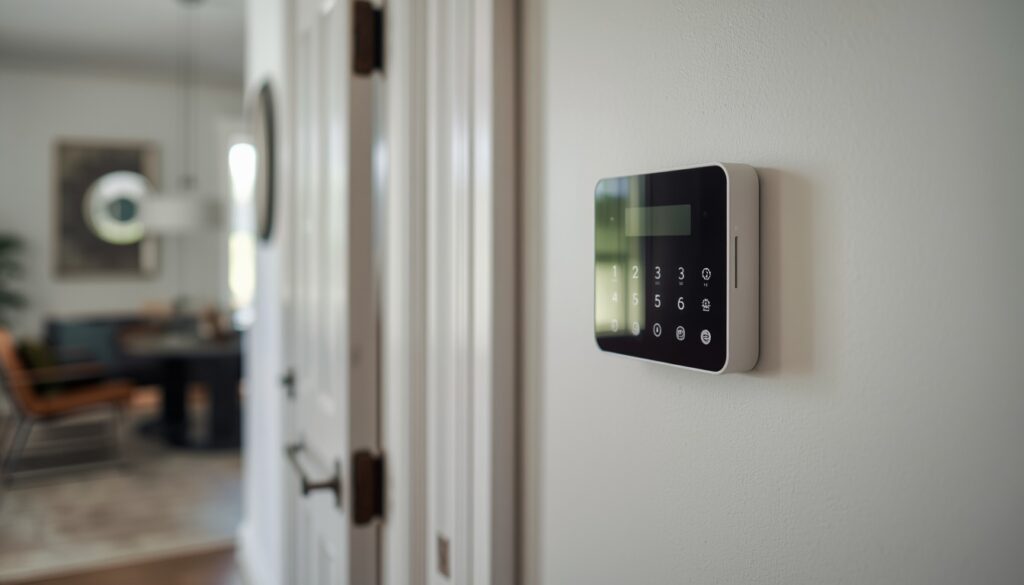
An Alliance home security system works by connecting sensors around your house to a control panel, which then sends a signal to a live monitoring center the moment something triggers an alarm. From there, a real person decides what happens next — not an app notification you might sleep through.
Here’s what that looks like in practice. Say a door contact sensor detects an entry at 3 a.m. while the system is armed. The panel picks up that signal within seconds and relays it to the monitoring center over a cellular connection, so the alert still goes through even if your home Wi-Fi is down or the power’s been cut. A trained agent then reviews the alert and tries to reach you directly, usually through a phone call to confirm whether it’s a real break-in or a false alarm — maybe the dog knocked something loose, or someone forgot to disarm before opening a window. If there’s no response, or if the situation looks legitimate, the agent contacts local police or fire services and passes along the details they have, like which sensor triggered and when.
The full signal path looks like this:
- Sensor trigger – a door, window, or motion sensor detects activity while the system is armed.
- Panel relay – the control panel sends that signal to the monitoring center, usually over a cellular connection so it works even during a Wi-Fi or power outage.
- Human verification – a trained agent reviews the alert and calls the homeowner to confirm whether it’s real or a false alarm.
- Emergency dispatch – if there’s no response, or the threat looks genuine, the agent contacts police, fire, or medical services with the sensor details.
This human-verification step is really what separates a monitored system from a basic self-install camera setup. A standalone camera can record footage and send you a push alert, but it can’t call 911 on your behalf while you’re asleep or stuck in a meeting. That verification layer is also why monitored systems tend to use cellular backup instead of relying only on Wi-Fi — a cut internet line shouldn’t mean a silent alarm.
Most setups also include a control panel that manages several sensor types under one system, such as:
- Door and window contact sensors
- Motion detectors
- Smoke or glass-break sensors
If your home already has smart locks or motion-triggered lighting, it’s worth checking how those pair with a monitored panel like this, since compatibility varies by brand and setup.
What’s Included in a Typical Alliance Home Security Package
A standard Alliance home security package includes a control panel, a set of door and window sensors, at least one motion detector, and the option to add smart home devices like locks or lighting control. The exact mix depends on the plan tier, but most packages are built around covering a home’s main entry points first.
Base Equipment: Panel and Entry Sensors
The starter kit usually centers on the control panel — the device that talks to the monitoring center — paired with a handful of door and window contact sensors. A typical starting package might cover the front door, back door, and two or three ground-floor windows, since these are the most common entry points in a break-in. One motion detector is often included too, usually placed in a hallway or main living area where it can pick up movement without triggering constantly from pets or normal foot traffic.
Add-On Devices: Cameras and Environmental Sensors
Beyond the base setup, homeowners can typically add indoor or outdoor cameras, smoke detectors, and glass-break sensors. These extras matter because a monitored system isn’t just about burglary — smoke and carbon monoxide sensors let the same monitoring center dispatch fire services, not just police. This is a genuine advantage over camera-only setups, which detect activity but can’t respond to a fire while you’re out of the house.
Smart Home Integration
Many packages also support smart locks, garage door controllers, and app-based lighting, all tied into the same panel and app. This means arming the system can also lock the doors automatically, or a triggered alarm can flash lights to alert neighbors. If you’re comparing this to a standalone smart lock setup, it’s worth checking whether your current locks are compatible with an Alliance panel before adding one on, since not every smart lock brand integrates the same way.
Overall, the package structure follows a simple logic: entry-point coverage first, then layered protection — fire, smoke, and cameras — added based on what a specific home actually needs.
Is Alliance Home Security Worth the Contract Commitment?
Whether Alliance home security is worth the commitment comes down to one trade-off: you’re paying for years of contract certainty in exchange for round-the-clock human monitoring. For some households, that’s a fair deal. For others, it’s more commitment than the situation calls for.
Think about a family where both parents travel for work and the kids are sometimes home alone after school. A monitored system means that if a door sensor triggers while nobody’s around to check an app, a live agent is already calling to verify what’s happening and can reach emergency services within minutes. That kind of response matters most for households that can’t reliably check a phone notification the moment it comes in — shift workers, frequent travelers, or anyone with older family members living at home.
On the other hand, a three- to five-year contract is a real cost, not just a formality. If you move within that window, or your needs change, breaking the agreement early usually comes with a penalty. This is where a lot of homeowners run into frustration — not with the monitoring itself, but with contract terms they didn’t fully read before signing. It’s worth asking upfront exactly what an early termination costs, since that number varies and isn’t always volunteered during the sales pitch.
The honest way to weigh this is against your actual daily routine, not the sales pitch. If you’re consistently reachable and comfortable managing alerts yourself, a self-monitored or app-based system might cover your needs without the contract. If your household has irregular schedules, medical concerns, or periods where nobody can respond fast, the monitoring center becomes the part you’re really paying for — and in that case, the commitment can be worth it. This same reasoning applies when comparing monitored systems to DIY security setups more broadly, since the core question is always the same: how much of the response do you want handled for you versus handled by you.
Alliance Home Security vs. DIY Security Systems
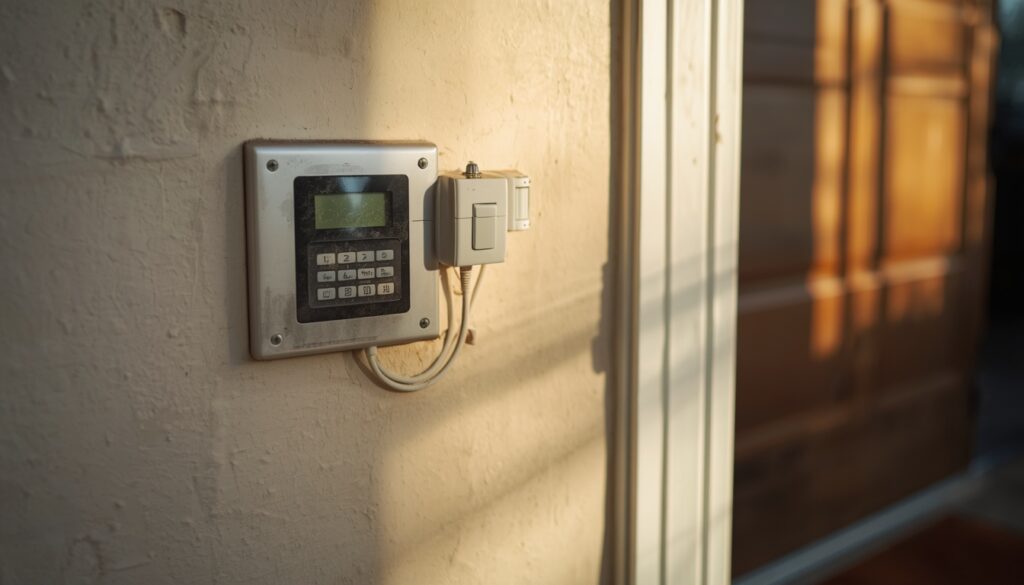
The real difference between Alliance home security and a DIY setup is who’s responsible for watching and responding to alerts — a monitoring center, or you. Both approaches protect a home, but they fit different lifestyles.
Take a renter who moves every year or two. A multi-year monitored contract doesn’t make sense here, since breaking it early usually means a penalty. A self-install camera and sensor kit fits better — no drilling, no contract, and the equipment moves with you.
Now take a homeowner who travels for work and can’t always check phone alerts in real time. That’s where monitored service earns its cost — a live agent verifies the alarm and calls emergency services even if the homeowner is unreachable.
Quick comparison:
- Installation – Alliance: professional install. DIY: self-install, no technician needed.
- Contract – Alliance: multi-year agreement. DIY: no long-term commitment.
- Response – Alliance: human-verified, dispatches emergency services. DIY: app alert only, you decide next steps.
- Cost structure – Alliance: monthly monitoring fee plus contract terms. DIY: one-time equipment cost, optional subscription.
- Best fit – Alliance: households needing hands-off response. DIY: renters, frequent movers, budget-conscious buyers.
Neither option is universally better. The right choice depends on how much control you want to keep versus how much response you want handled for you — the same question worth asking when comparing any wireless security camera setup against a fully monitored system.
What to Check Before Signing Up for Alliance Home Security
Before signing an Alliance home security contract, the four things that matter most are the contract length, installation costs, cancellation terms, and who actually handles the monitoring. Getting clarity on these upfront avoids most of the frustration homeowners run into later.
Contract Length and Installation Costs
Monitored security agreements typically run three to five years, and installation costs can shift depending on the equipment tier you choose. A plan advertised as low-cost monthly might still carry upfront installation fees or require a specific package to unlock that rate. It helps to ask for the full cost breakdown in writing — monitoring fee, equipment cost, and installation charge listed separately — rather than a single bundled number.
Cancellation Policy
Canceling early usually comes with a fee, and the process itself often needs to be done in writing, not just a phone call. A common scenario: a homeowner sells their house mid-contract and assumes the system transfers or cancels automatically, only to find out they’re still on the hook unless they follow a specific written cancellation process. Getting this policy in writing before installation, not after, is the simplest way to avoid that situation.
Who Handles the Monitoring
Not every alarm company monitors its own alerts. Many route calls through a separate third-party monitoring center, which means the company installing your equipment isn’t necessarily the one deciding how fast a real emergency gets a response. It’s worth asking directly who staffs the monitoring center and how alerts are verified before an agent contacts police or fire services.
Quick checklist before you sign:
- Confirm the exact contract length and renewal terms
- Get installation and equipment costs itemized in writing
- Ask what early cancellation costs and how to submit it
- Find out who runs the monitoring center, not just who installs the equipment
- Compare against DIY alternatives if you’re not sure the commitment fits your situation
This same due-diligence approach applies to any monitored home security company, not just this one — it’s the standard homework worth doing before any multi-year security contract.
Common Concerns Homeowners Have About Alliance Home Security
The most common concern with Alliance home security isn’t the equipment — it’s the sales process and contract terms, based on patterns seen across the monitored alarm industry. Knowing this upfront helps homeowners ask the right questions before signing.
One recurring issue involves door-to-door or phone sales tactics. Aggressive telemarketing has been a documented problem across this industry, including past regulatory action tied to unsolicited calls that violated federal do-not-call rules. That history doesn’t mean every interaction follows the same pattern, but it’s a fair reason to slow down and get every promise from a sales rep confirmed in writing.
Another frequent concern is confusion over who’s actually responsible when something goes wrong — the installer or the monitoring provider. Since installation and monitoring are sometimes handled by separate companies, homeowners can end up unsure who to call for equipment issues versus alarm response questions.
The practical takeaway: verify sales claims in writing, confirm who handles monitoring, and treat any high-pressure pitch as a signal to slow down — the same due-diligence habit that applies when researching any monitored home security provider.
Final Thoughts
Choosing Alliance home security ultimately isn’t about the equipment — it’s about deciding how much responsibility you want to hand off versus keep for yourself. A monitored contract works best when your routine genuinely needs a human response on the other end. A DIY setup works better when flexibility matters more than a dedicated monitoring team.
Take a moment to think about your own household: is it the missed alert at 3 a.m. that worries you, or the multi-year commitment? That answer says more about the right fit than any feature list ever could.
FAQs
Is Alliance Home Security worth it compared to other monitored providers?
It depends on how much you value a live monitoring response versus contract flexibility — some competitors offer shorter terms or no-contract options, so it’s worth comparing cancellation policies before deciding.
Does Alliance Home Security work without a landline or internet?
Yes, most systems run on cellular connections, so the alarm still reaches the monitoring center during a Wi-Fi outage or power cut.
Can I switch from Alliance Home Security to a different provider mid-contract?
Usually only after paying an early termination fee, since most agreements run three to five years and require written cancellation.
Is Alliance Home Security good for renters?
Not typically — the professional installation and multi-year contract fit homeowners better than renters who may move before the term ends.
How fast does Alliance Home Security respond to an alarm?
Response time depends on the monitoring center’s verification call, but most centers aim to contact the homeowner and dispatch emergency services within minutes of a triggered sensor.
Does Alliance Home Security include fire and medical alerts, or just burglary?
Most packages cover all three — burglary, fire, and medical emergencies — through the same panel and monitoring center, not just intrusion detection.


