
Introduction
A garage door can close on a vehicle, an open hatch, or an object that sits above the narrow detection area of standard safety sensors. This can lead to costly damage and create unnecessary safety risks. Traditional photo-eye sensors typically detect obstacles only when they interrupt the infrared beam near the floor, leaving some higher objects outside their detection range.
The Infinity Shield Garage Door Sensor is designed to address this limitation by using multiple infrared beams to provide wider vertical detection coverage across the garage door opening. This additional protection may help detect obstacles that conventional sensors can miss. In this review, you’ll learn how the system works, its key features, installation requirements, compatibility, advantages, and potential drawbacks before deciding whether it’s worth buying.
Table of Contents
| Image | Product | Details | Price |
|---|---|---|---|
 |
Infinity Shield Garage Door Sensor | A full-height safety sensor that closes the gap left by standard garage door beams, combining smart parking assistance with reliable, easy-to-install protection. | Check Price |
 |
Infinity Shield Garage Door Sensor Two-Pack | A complete two-door upgrade kit that brings full-height safety coverage and smart parking assistance to every garage opening in the home. | Check Price |
 |
Chamberlain 820CB Replacement Garage Door Safety Sensor | A reliable, low-profile replacement sensor that restores accurate auto-reverse safety function to compatible Chamberlain, LiftMaster, and Craftsman garage doors. | Check Price |
1. What Is Infinity Shield?
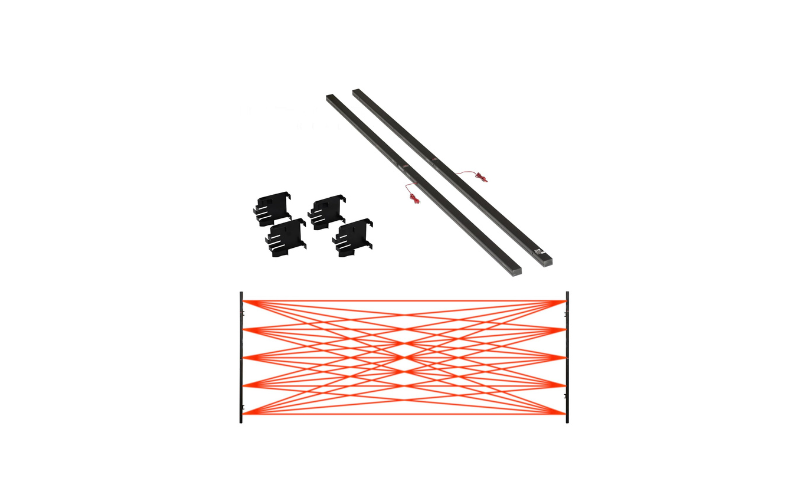
Traditional garage door safety sensors use a single infrared beam positioned close to the floor. Although this setup can detect objects that interrupt the beam, it may not detect higher obstacles such as an open vehicle hatch, a protruding bumper, or items extending into the garage door’s path.
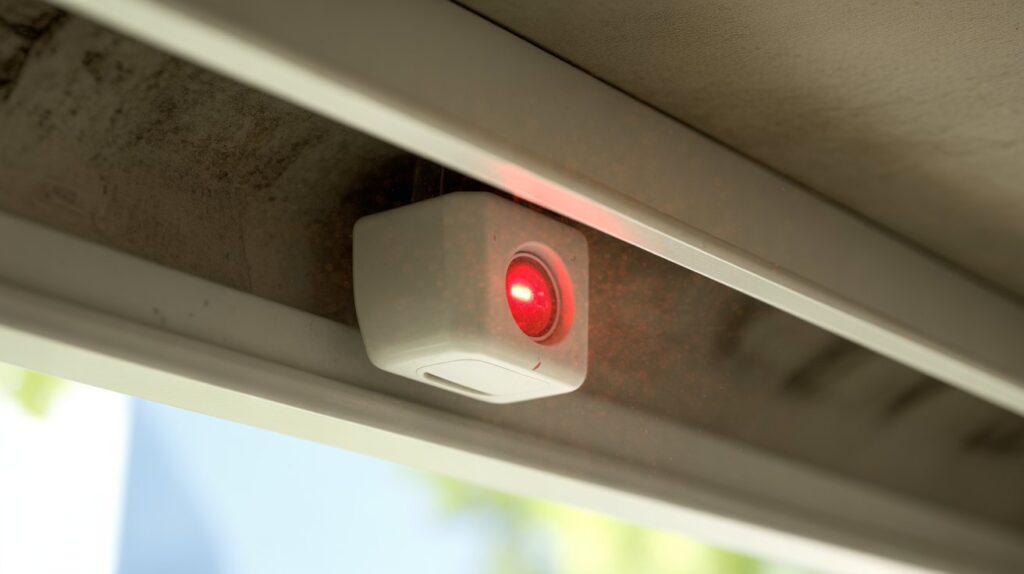
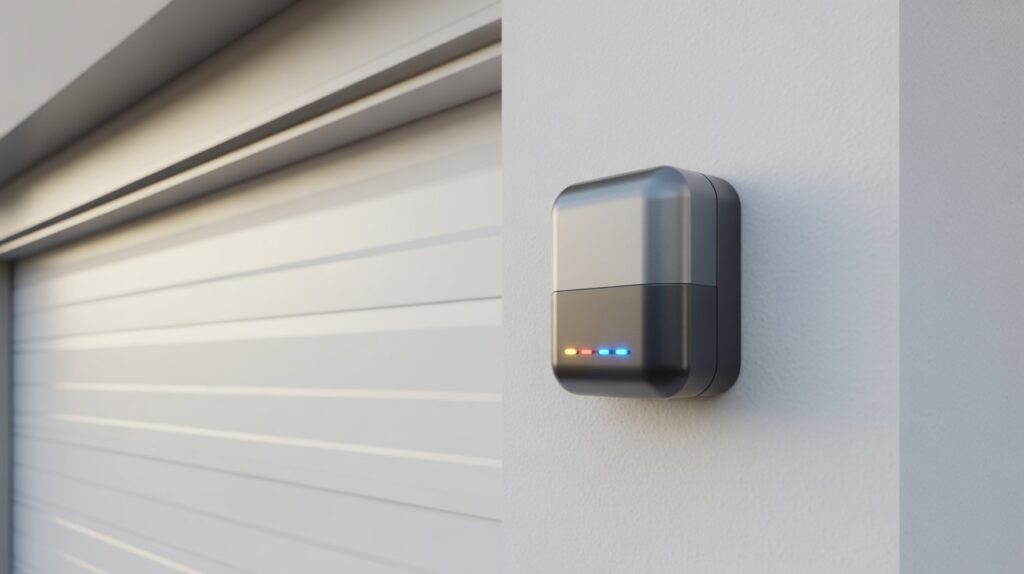
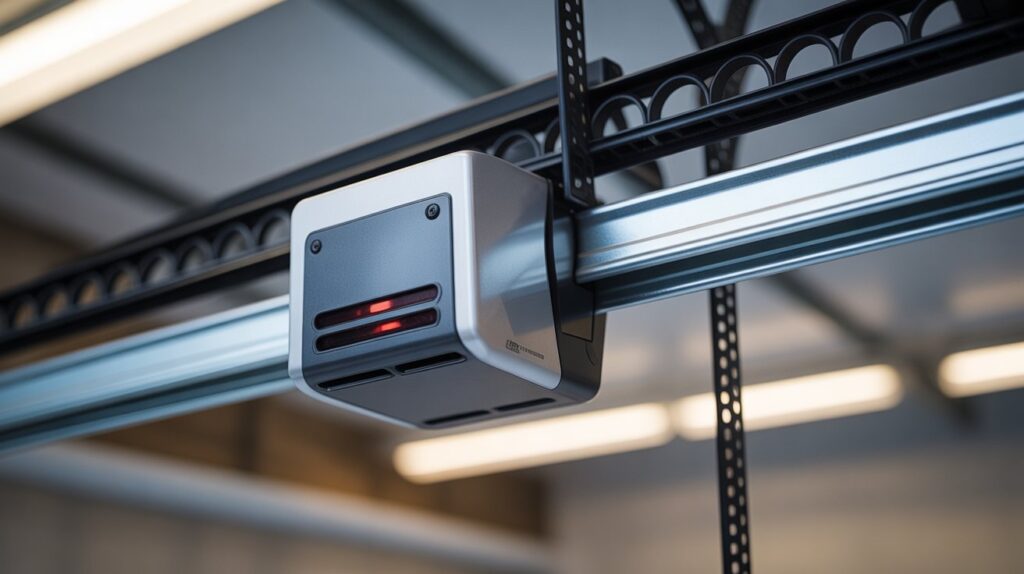
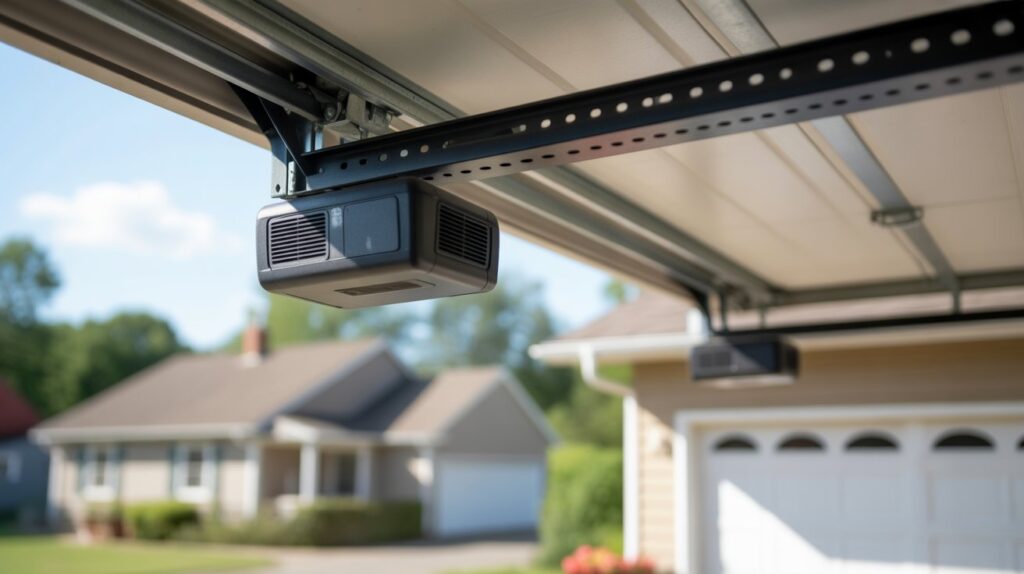
Infinity Shield takes a different approach by using multiple infrared beams across the garage door opening. Its transmitter and receiver bars create a wider detection area, helping identify obstacles at different heights before the closing door can reach them.
The system includes 25 infrared beams with vertical detection coverage ranging from 3.5 to 71.5 inches above the floor. This wider coverage can be useful for homeowners who park vehicles with rear hatches, store equipment near the garage entrance, or want additional protection beyond conventional photo-eye sensors.
It also includes an audible parking assistant that alerts drivers when a vehicle is blocking the garage door’s path. The beeper can be switched on or off depending on the homeowner’s preference.
Key Features
- 25 Infrared Safety Beams: Uses 25 infrared beams to monitor a wider area of the garage entrance, with detection coverage from 3.5 to 71.5 inches above the floor.
- Audible Parking Assistant: An integrated beeper alerts drivers when their vehicle blocks the garage door’s path. This feature can be turned off when not needed.
- Direct-Wire Power: Connects to the existing garage door opener wiring, so separate batteries or an external power adapter are not required.
- Snap-In Mounting Brackets: Includes mounting brackets that attach to the garage door tracks. The existing wiring can also be reused when upgrading from compatible photo-eye sensors.
- Wide Opener Compatibility: Supports major residential garage door brands, including LiftMaster, Chamberlain, Genie, Craftsman, Sears, Linear, Guardian, and Marantec. Check the compatibility guide and DIP-switch settings before installation.
- UL-325 Safety Recognition: The manufacturer states that the system has been tested by UL and is UL-recognized under the UL-325 safety standard.
Technical Specifications at a Glance
| Specification | Details |
|---|---|
| Number of infrared beams | 25 |
| Vertical detection coverage | 3.5–71.5 inches |
| Response time | 450 milliseconds |
| Supported door width | 8–18 feet |
| Minimum door height | 7 feet |
| Sensor bar length | 75 inches |
| Power source | Existing garage door opener wiring |
| Warranty | 2 years |
These specifications help homeowners check whether the system suits their garage door size and existing opener setup. Before purchasing, verify the latest specifications, warranty terms, and compatibility information on the manufacturer’s website.
Pros
- Wider vertical detection coverage: Multiple infrared beams monitor more of the garage door opening than conventional single-beam sensors.
- Audible parking assistance: The built-in beeper provides an additional warning when a vehicle blocks the door’s path.
- Practical mounting system: Included brackets and wiring components make installation more manageable for homeowners with basic DIY experience.
- Broad opener compatibility: Supports several major garage door opener brands, including LiftMaster, Chamberlain, Genie, and Craftsman, subject to model compatibility.
Cons
- Higher upfront cost: It may cost more than standard single-beam garage door safety sensors.
- Wiring required: The system connects to existing opener wiring, so installation involves electrical connections and configuration.
- Compatibility checks needed: Not every garage door opener model is guaranteed to work without checking the manufacturer’s compatibility instructions.
- Requires proper alignment: The transmitter and receiver bars must be correctly positioned to maintain reliable infrared beam detection.
- Installation takes time: Setup may take approximately 30–45 minutes, depending on the garage door and existing wiring.
Why We Recommend It
The Infinity Shield system offers wider vertical obstruction detection than conventional single-beam garage door sensors. Its 25 infrared beams, audible parking assistant, and direct-wire design make it a useful upgrade for homeowners who want additional garage door protection.
Before purchasing, check your opener’s compatibility and installation requirements.
If your existing sensors have alignment problems, read our guide on how to align garage door sensors for practical troubleshooting advice.
Verdict: Worth considering for homeowners who need wider detection coverage and additional parking assistance.
2. Infinity Shield Garage Door Sensor – Two-Pack
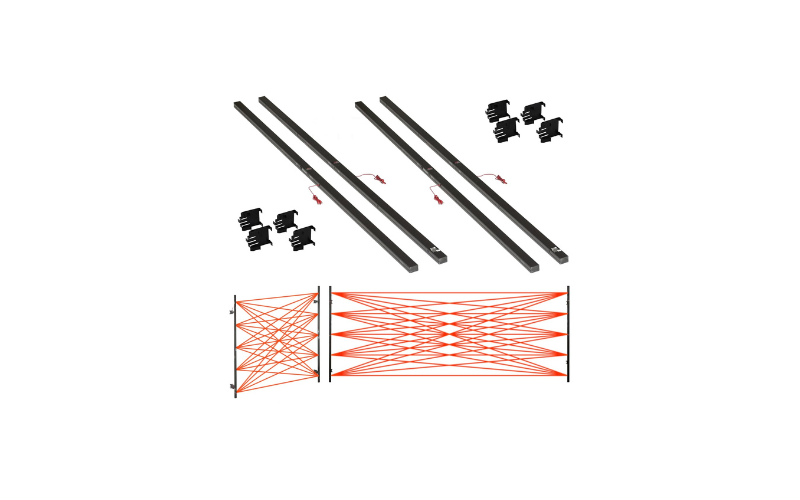
Homeowners with a two-car garage or multiple garage entrances may need more than one safety sensor system. The Infinity Shield two-pack provides a practical way to equip two separate garage door openings with wider infrared detection coverage.
Each door can have its own transmitter and receiver bars, helping detect obstacles across a larger vertical area than conventional single-beam photo-eye sensors. This setup is useful for households with multiple vehicles, open rear hatches, or equipment stored near the garage entrance.
Key Features
- Two-Door Coverage: Designed for homeowners who want to install a separate sensor system on each of two garage door openings.
- 25 Infrared Beams Per System: Provides wider vertical obstruction detection, covering areas that standard photo-eye sensors may miss.
- Audible Parking Assistance: The built-in beeper helps drivers identify when a vehicle or open hatch blocks the garage door’s path.
- Mounting Hardware Included: The kit includes transmitter and receiver bars, mounting clips, wire connectors, and installation instructions. Check the selected two-pack configuration before ordering.
- Major Opener Compatibility: Supports several popular brands, including LiftMaster, Chamberlain, Genie, Guardian, Linear, and Marantec. Confirm your specific opener model before purchasing.
Pros
- Provides wider detection coverage for two separate garage doors.
- Gives both garage entrances the same level of obstruction detection.
- Helps detect higher obstacles, including open vehicle hatches.
- Includes mounting hardware and wiring components.
- Convenient for multi-car households and garages with two entrances.
Cons
- More expensive than purchasing a single system.
- Requires installation and wiring for both garage doors.
- Compatibility must be checked separately for each opener.
- Takes longer to install than a single-unit system.
- Does not provide smart-home app control or remote door monitoring.
Why We Recommend It
The two-pack is worth considering for homeowners who have two garage doors and want wider obstruction detection at both entrances. Each opening gets its own sensor system, helping reduce the detection limitations of conventional single-beam sensors.
Before ordering, check the opener compatibility, mounting bracket options, and included components. You can also explore our guide to overhead garage door sensors to understand other sensor types and replacement options.
4. Chamberlain 820CB Replacement Garage Door Safety Sensor
If your existing garage door safety sensors are damaged or no longer working properly, replacing them with a compatible unit may restore normal operation. The Chamberlain 820CB is designed for homeowners who need replacement photo-eye sensors rather than a wider detection system.
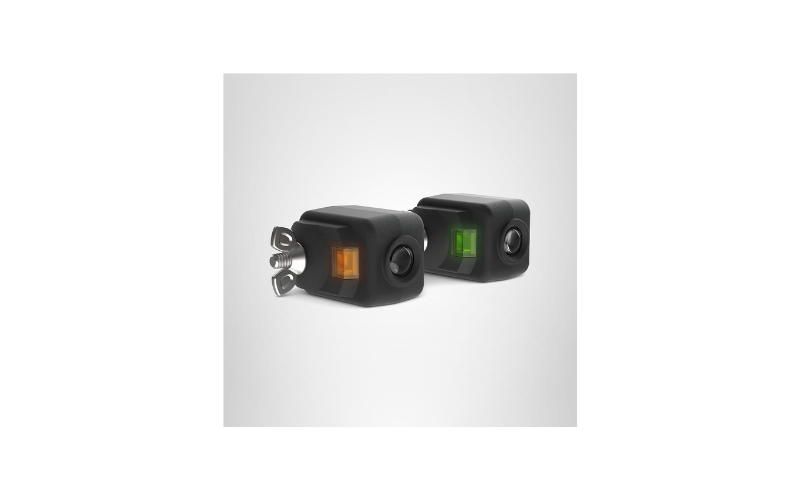
It uses a standard infrared beam between two sensors mounted near the bottom of the garage door tracks. When an object interrupts the beam, the opener’s safety system stops or reverses the closing door. This makes it a practical replacement option for compatible Chamberlain, LiftMaster, and most Craftsman garage door openers.
Key Features
- Factory-Style Replacement: Designed for Chamberlain and LiftMaster openers manufactured after 1997, along with most compatible Craftsman models.
- Low-Profile Design: Its compact housing reduces the chance of accidental bumps that can knock sensors out of alignment.
- Infrared Safety Beam: Uses a transmitter and receiver to detect objects blocking the garage door opening.
- Alignment Indicators: Indicator lights help homeowners check sensor power and beam alignment during troubleshooting.
- Installation Components: The package includes two safety sensors, mounting brackets, 18 inches of extension wire, and an instruction manual.
Pros
- Practical replacement for damaged or defective factory sensors.
- Compatible with many Chamberlain and LiftMaster openers.
- Low-profile design helps reduce accidental misalignment.
- Includes two sensors and mounting accessories.
- Restores the standard infrared safety beam when correctly installed.
Cons
- Provides standard single-beam detection rather than full-height coverage.
- Not a universal replacement for Genie and other unrelated opener systems.
- Requires correct wiring and sensor alignment.
- Does not offer Wi-Fi or smart-home app connectivity.
- Compatibility must be checked against the exact opener model.
Why We Recommend It
The Chamberlain 820CB is worth considering if your existing safety sensors need replacement and your garage door opener is compatible. Its standard infrared detection system, mounting brackets, and included wiring components make it a practical option for routine replacement.
Before buying, verify your opener’s model and manufacturing date. If one of your existing sensors has stopped working, read our guide on one garage door sensor not lighting up to understand common power, wiring, and sensor problems.
Comparison Table: Top 5 Garage Door Sensors for Home Safety
| Product | Best For | Key Highlight | Power Source | Smart Home Ready |
| Infinity Shield Garage Door Sensor | Full-height obstruction protection | 25-beam coverage spans entire door opening | Hardwired (existing opener wiring) | No |
| Infinity Shield Garage Door Sensor Two-Pack | Multi-door garages | Equips two doors with matching full coverage | Hardwired (existing opener wiring) | No |
| Chamberlain 820CB Replacement Sensor | Standard sensor replacement | Low-profile design resists misalignment | Hardwired (existing opener wiring) | No |
This table gives readers a quick, scannable way to match their specific garage safety need — whether it’s full-beam obstruction coverage, remote app control, a straightforward sensor replacement, or a simple fix for sunlight interference — before reading the detailed breakdown of each product.
Buying Guide: How to Choose the Right Garage Door Safety Sensor
Choosing a garage door safety sensor requires more than comparing prices and features. You should consider your garage layout, opener compatibility, detection coverage, and installation requirements before making a purchase. The Infinity Shield system offers wider vertical obstruction detection, but it may not be necessary for every household.
Here are the main factors to consider before buying.
1. Check Garage Door Opener Compatibility
Before ordering, check your garage door opener’s brand, model number, and manufacturing date. Not every safety sensor works with every opener. Confirm compatibility and wiring requirements to avoid purchasing a replacement that cannot connect to your existing system.
2. Compare Obstruction Detection Coverage
Standard photo-eye sensors use a single infrared beam near the floor. Systems with multiple infrared beams provide wider vertical detection coverage and can help identify higher obstacles, such as open vehicle hatches and protruding bumpers.
Consider your vehicle size, parking habits, and garage layout when comparing sensor coverage.
3. Understand the Power Requirements
Some garage door sensors receive power through existing opener wiring, while other systems use batteries or separate power sources. Hardwired options eliminate routine battery replacement, but require correct electrical connections.
Check the manufacturer’s installation instructions before choosing a system.
4. Review Installation Requirements
Look for clear installation instructions, suitable mounting brackets, wiring connectors, and compatibility information. Check whether the system requires DIP-switch adjustments or additional wiring.
Never assume that installation is tool-free. Disconnect opener power and follow the manufacturer’s safety instructions before working on electrical connections.
5. Consider the Features You Actually Need
Some homeowners only need standard obstruction detection, while others may benefit from wider beam coverage or an audible parking assistant.
Compare these features before paying extra. Also remember that wider detection coverage does not automatically mean smartphone monitoring or remote garage door control.
6. Check Warranty and Product Support
Review the warranty period, return policy, and availability of replacement components. A clear manufacturer’s support policy can make troubleshooting and future maintenance easier.
7. Consider Sunlight and Alignment Problems
Direct sunlight can interfere with some garage door photo-eye sensors. Loose mounting brackets, dirty sensor lenses, and incorrect alignment can also interrupt the infrared safety beam.
If sunlight affects your existing system, read our guide on garage door sensor sunlight interference for possible causes and troubleshooting steps.
Ultimately, choose a sensor system that matches your garage door opener, provides the detection coverage you need, and can be installed according to the manufacturer’s instructions.
FAQs
What is an Infinity Shield for your garage door?
It’s a full-height safety sensor that uses multiple beams to detect obstructions across the entire door opening, not just near the floor.
How do I know if my garage safety sensor is bad?
Common signs include a blinking warning light, the door refusing to close, or random reversals with nothing blocking the path.
What is the best garage door sensor?
The right pick varies by household, though full-height options such as the infinity shield garage door sensor currently provide the most thorough obstruction coverage on the market.
How do you fix a faulty garage door sensor?
Start by cleaning the lenses and checking alignment, then inspect the wiring before considering a full sensor replacement.
Can I replace garage door sensors myself?
Yes, most replacement kits include brackets and wiring, making the process manageable for homeowners without professional help.
Conclusion
Choosing the right Infinity Shield Garage Door Sensor depends on your garage layout, opener compatibility, and desired level of obstruction detection. Its 25 infrared beams, wider vertical coverage, and built-in audible parking assistant make it worth considering for homeowners who want more protection than conventional single-beam sensors provide.
Before purchasing, check the installation requirements, supported opener models, warranty, and latest product price. The right system should fit your garage and provide reliable obstruction detection without unnecessary features.
Make an informed choice today and give your garage door safety system the attention it deserves.
Affiliate Disclosure
This article contains affiliate links. If you purchase a product through these links, CrimTechHub may earn a small commission at no additional cost to you. These commissions help support our website and allow us to continue publishing helpful, independent product reviews and buying guides.
About the Author – M Bilal
M Bilal holds a BS in Criminology and has an interest in home security, crime prevention, and modern protection technology. He writes practical, research-based guides to help homeowners understand security products, compare their features, and make informed decisions about protecting their homes and families.