Introduction
A garage door that reverses instead of closing, with blinking lights and no clear cause, usually points to one thing: photo-eye safety sensors detecting an obstruction — real or false. It’s a common frustration, and the quick instinct is to just override the system and move on.
Before doing that, it’s worth understanding what these sensors actually do, and why bypassing them can create a bigger problem than the one you’re trying to solve.
Table of Contents
Stuck Garage Door? Here’s Why People Search “How to Bypass Garage Door Why Homeowners Search for This Fix
It usually happens at the worst time — you’re late, or it’s dark out, and the door just won’t shut. You hit the wall button again, the door moves a few inches then reverses, and the light starts blinking. The instinct is to just override whatever’s stopping it and move on.
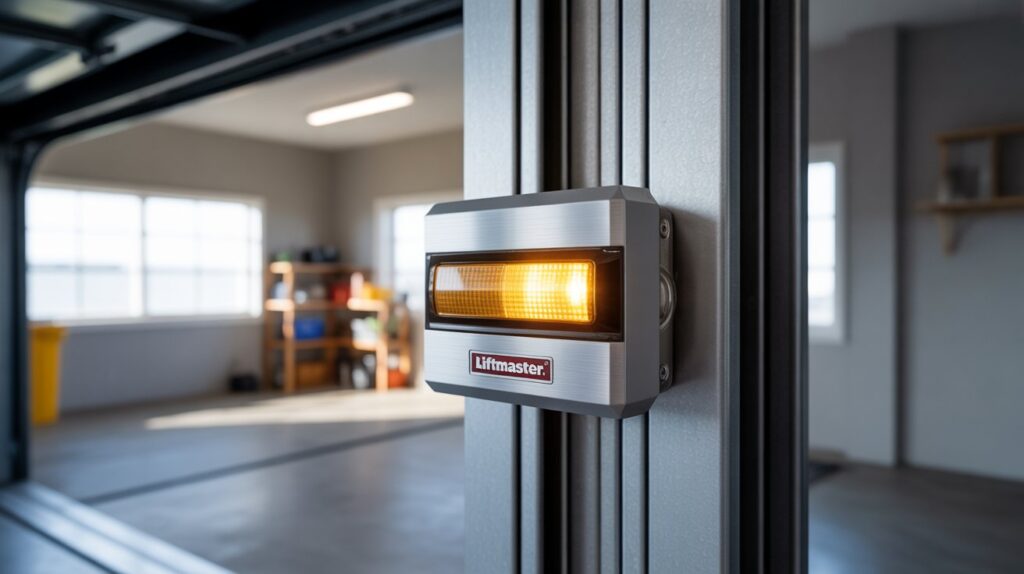
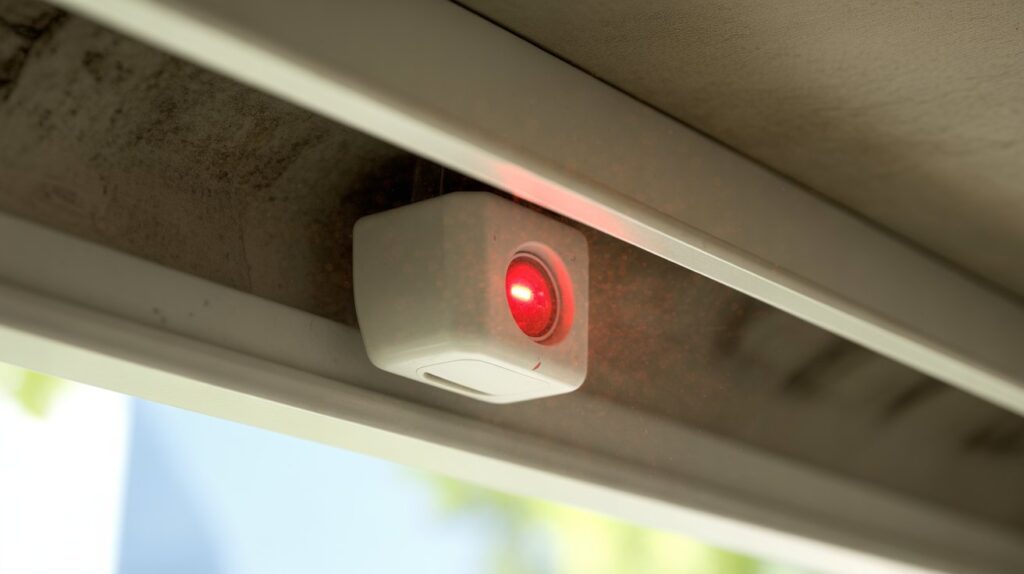
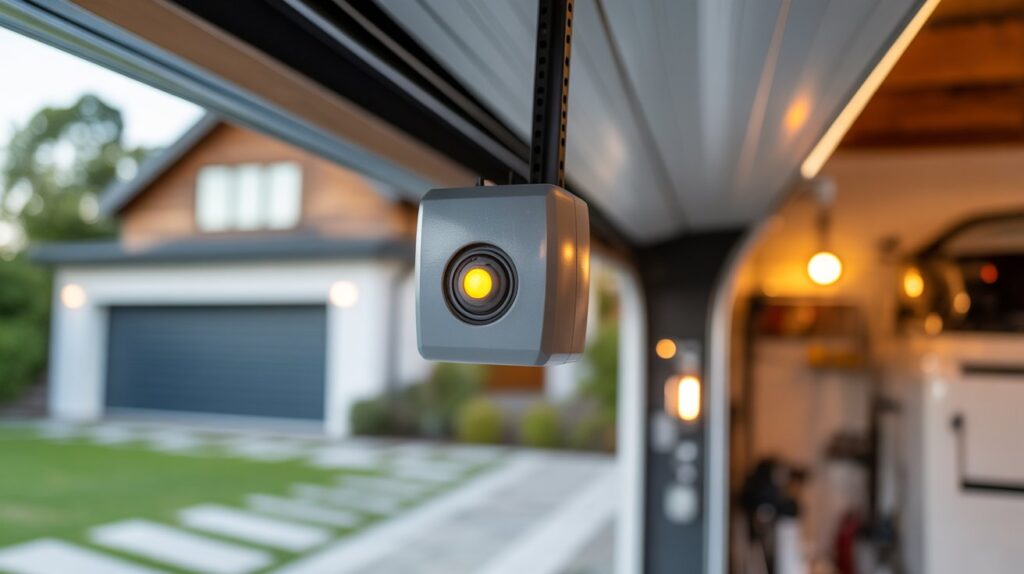
In most U.S. homes, that reaction comes from photo-eye safety sensors near the bottom of the track. When something blocks the invisible beam — or the lenses are dirty, misaligned, or the wiring’s loose — the system assumes there’s an obstruction and refuses to close. You’ll typically see:
- The door reversing before it touches the ground
- The opener light blinking repeatedly
- One sensor lit while the other flickers or goes dark
- The door only closing while you hold the wall button
It looks like the sensors are the problem, so overriding them feels like the fastest fix. But these sensors are part of the door’s safety and motion detection system, built specifically to prevent injury and property damage — which is exactly why it’s worth understanding what’s actually happening before working around them.
What Garage Door Sensors Actually Do (And Why They’re Required in the USA)
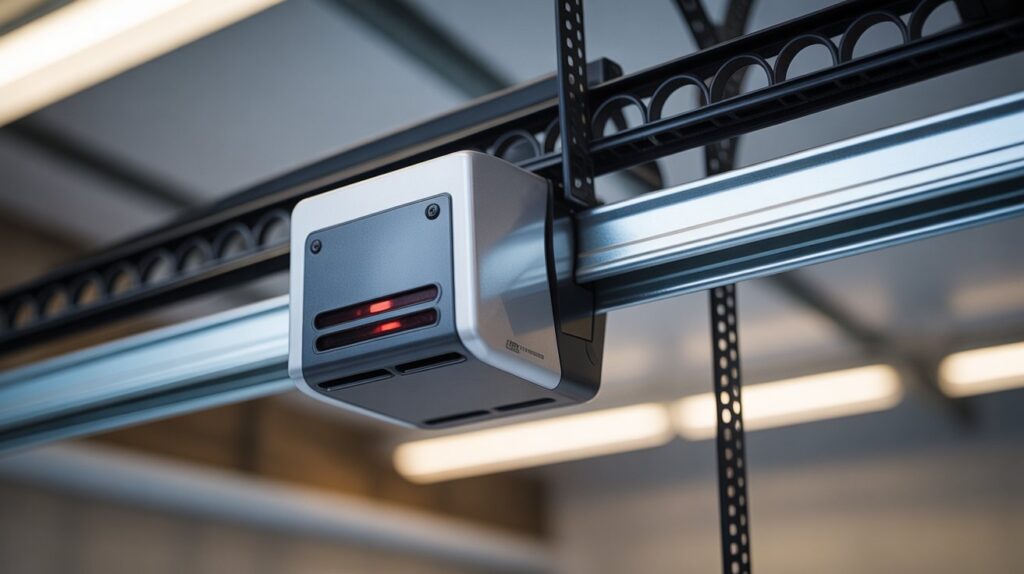
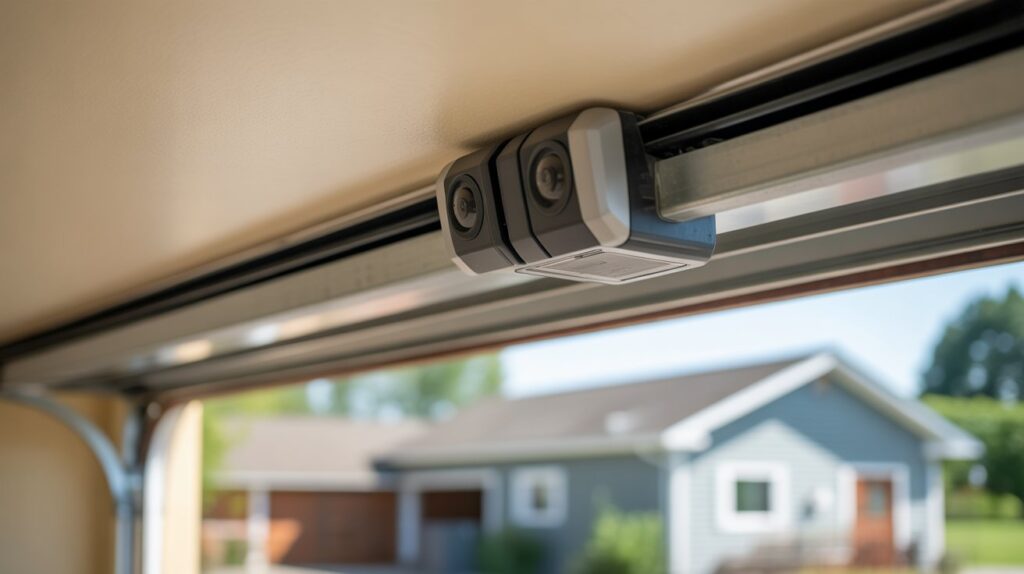
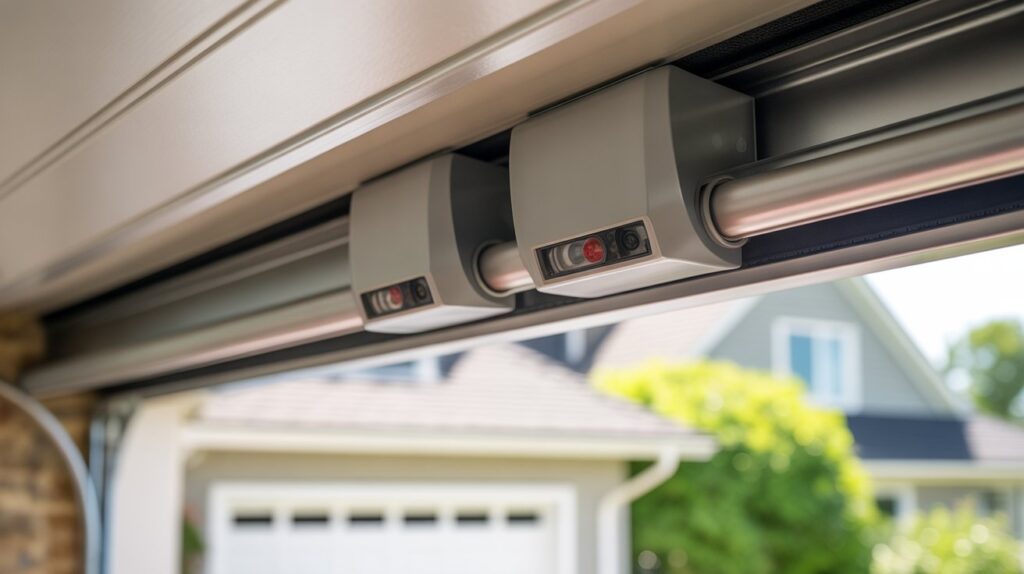
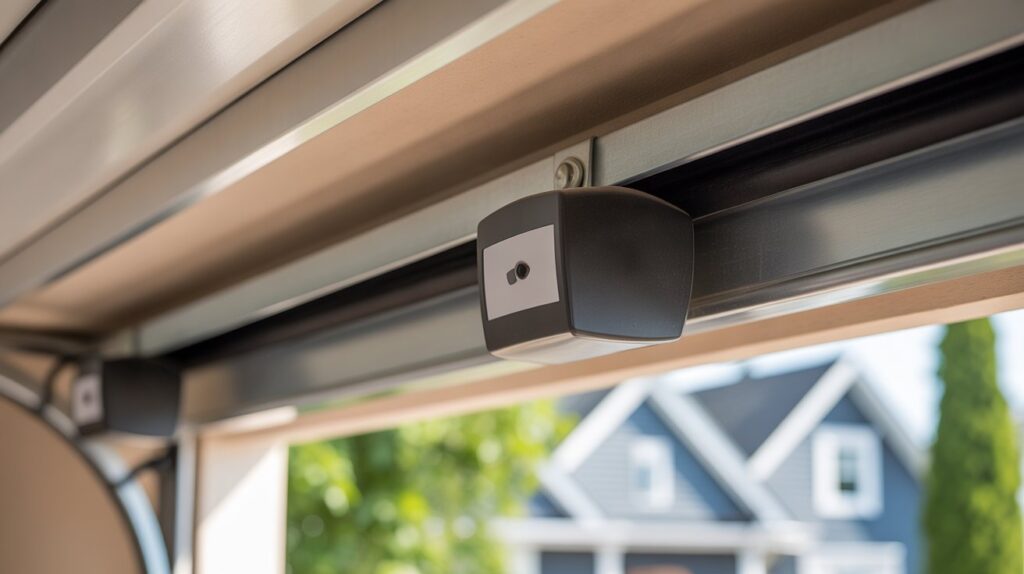
Photo-eye sensors sit on both sides of the door track and create an invisible beam across the opening. If anything breaks that beam — a child, a pet, a bike tire, even a trash can — the door stops and reverses immediately. That’s the auto-reverse mechanism, and it’s not optional: since the early 1990s, U.S. safety standards under UL 325 have required automatic residential garage door openers to include working entrapment-protection sensors. The Consumer Product Safety Commission has documented the injuries — many involving children — that made this requirement necessary in the first place.
There’s also a liability side homeowners often overlook. If someone is hurt after a safety device was intentionally disabled:
- Homeowners insurance claims could be denied
- Legal responsibility could fall on the homeowner
- Property damage risk increases if the system malfunctions
A standard residential garage door weighs over 150 pounds. Without a working sensor system, that weight becomes a real hazard — which is why every major manufacturer states these sensors should never be disconnected, and why professional technicians won’t override them either.
The Real Risks of Bypassing Garage Door Sensors
- Serious safety hazards
Bypassing photo-eye sensors removes the protection that stops the door from closing on a child, pet, or object. A garage door can weigh over 150 pounds — without a working auto-reverse mechanism, that weight becomes dangerous fast. - Risk to children and pets
Kids move quickly. Pets run under doors. The garage door safety system is designed to react instantly. If you search how to bypass garage door sensors and disable them, you remove that instant protection. - Vehicle and property damage
Without active sensors, the door may close on your car bumper, bike, storage bins, or tools. What seems like a small workaround can turn into expensive repairs. - Home insurance complications
In the U.S., garage door openers must meet safety standards. If an injury happens after intentionally disabling sensors, your homeowners insurance claim could be questioned or denied. - Legal liability concerns
If someone is hurt because a federally required safety feature was bypassed, you could be legally responsible. That risk alone makes bypassing a serious decision. - Damage to the opener motor or door system
Temporary bypass tricks found online can strain the garage door opener, misalign tracks, or damage internal components. What started as a small sensor issue can turn into a full system failure. - Short-term fix, long-term problem
Most people searching how to bypass garage door sensors just want the door to close. But quick “hacks” often hide the real issue — dirty lenses, loose wiring, or simple misalignment — making the problem worse over time.
In short, bypassing garage door sensors may feel like a fast solution, but it increases safety risks, financial costs, and liability exposure. Fixing the root problem is almost always safer, smarter, and more affordable for U.S. homeowners.
Safe and Legal Alternatives to Fix Sensor Problems
In most U.S. homes, sensor problems are minor and fixable in minutes — the goal is to restore the system properly, not override it. A proper fix protects your family, your property, and the opener motor long-term.
Clean and Realign the Sensors
Dirty or misaligned lenses are the most common cause of a door that won’t close:
- Turn off the opener first for safety.
- Wipe both lenses gently with a soft, dry cloth.
- Confirm both sensors face each other directly.
- Tighten any loose brackets.
A blinking or dark sensor light usually means alignment is off — even a small bump from a trash bin can shift the beam. Once realigned, the auto-reverse safety mechanism should work normally again.
Check for Wiring or Power Issues
If cleaning doesn’t fix it, inspect the low-voltage wiring for:
- Frayed wires near the bottom of the track
- Staples pressing too tightly into the wire
- A sensor with no indicator light at all
If the wiring looks damaged or complicated, that’s where DIY should stop — electrical components need careful handling to avoid bigger repairs.
Reset the Opener
- Unplug the opener from the outlet.
- Wait 30–60 seconds.
- Plug it back in and test the door.
This clears minor logic errors and often resolves persistent blinking lights on its own.
When DIY Is Fine — and When to Call a Technician
DIY troubleshooting works when the issue is clearly dirt, alignment, or a simple reset, no wires are damaged, and the door moves smoothly when operated manually. Call a licensed technician if the sensors still fail afterward, the motor grinds or strains, or the door feels heavy, crooked, or off-track. For persistent bracket or alignment issues specifically, our garage door sensor bracket guide covers the hardware side in more detail.
Restoring the system correctly — not working around it — is what actually keeps the garage secure without introducing new risks.
Conclusion
Garage door sensors aren’t a minor inconvenience — they’re what stops a 150-pound door from closing on your child, pet, or car. Bypassing them might seem like the fastest fix, but the risk almost never matches the few minutes it saves. Cleaning the lenses, realigning the sensors, or resetting the opener restores the door properly, without touching the safety system.
When basic troubleshooting doesn’t fix it, calling a licensed technician is the safer call than working around the sensors yourself.
FAQs
Is it illegal to disable garage door safety sensors in the US?
It can violate UL 325 safety compliance standards, and it may also affect your homeowners insurance coverage if an injury occurs.
Why does my garage door only close when I hold the button down?
This usually means the safety sensors are misaligned or blocked, so the opener won’t complete the auto-reverse cycle on its own.
Can dirty sensor lenses really stop a garage door from closing?
Yes, even a thin layer of dust or a spider web across the lens can block the beam and trigger a false obstruction reading.
Do all garage door openers have photo-eye sensors?
Yes, every automatic residential opener made since the early 1990s is required to include them under federal safety standards.
How do I know if my garage door sensors need to be replaced instead of fixed?
If cleaning, realigning, and resetting the opener don’t resolve blinking lights or reversing, a licensed technician can confirm if the sensor itself has failed.
About the Author
M Bilal holds a BS in Criminology and writes about home security, safety devices, and crime-prevention technology at CrimTechHub. His criminology background shapes how he covers topics like this one — focusing on why safety systems exist, the real risks of bypassing them, and practical, code-compliant fixes homeowners can trust.