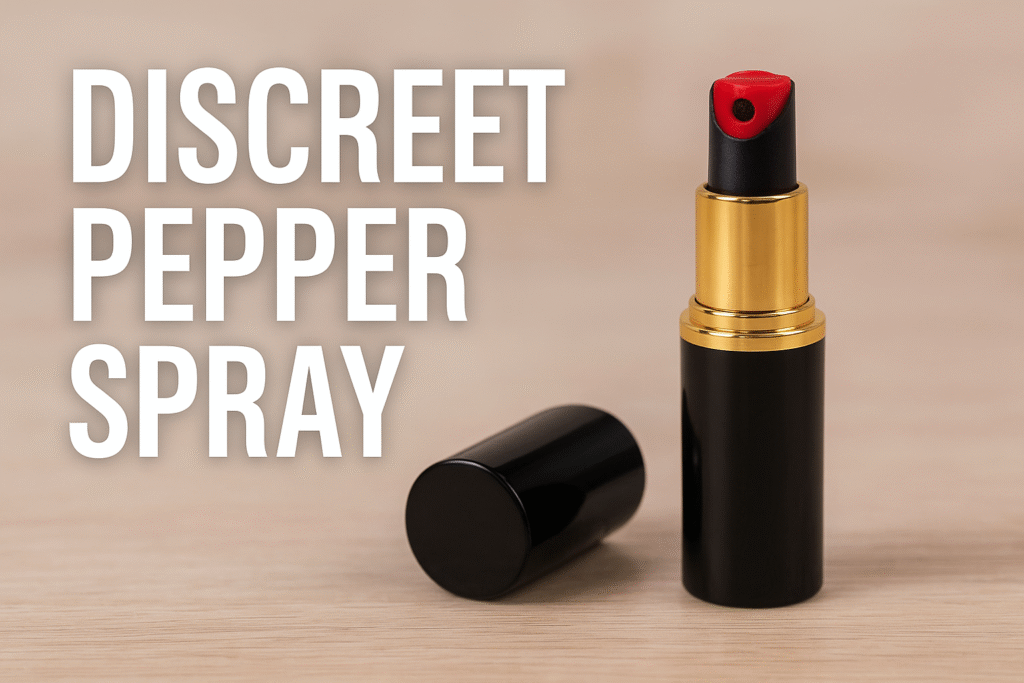
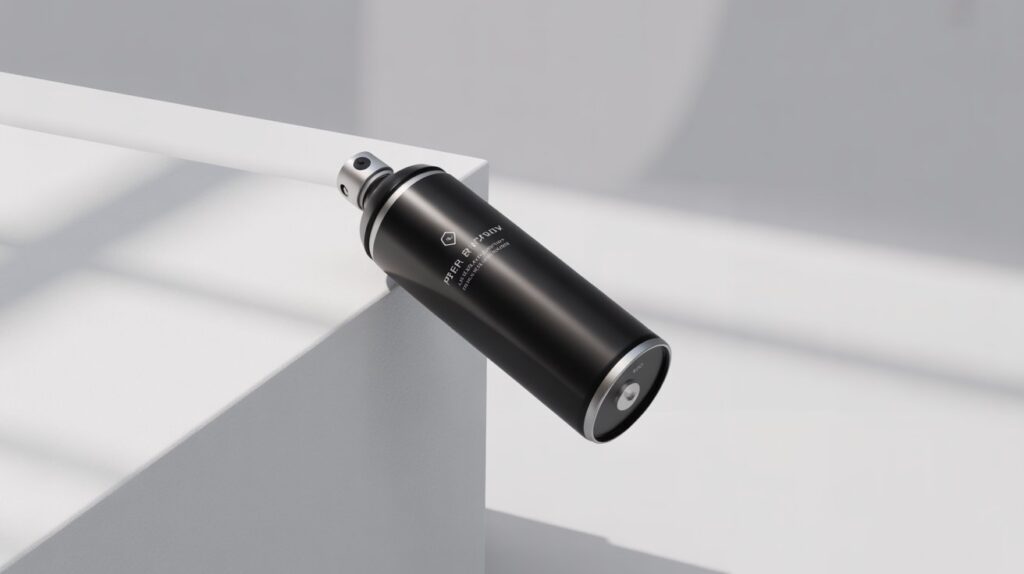
Introduction
Pepper spray is one of the most effective non-lethal self-defense tools carried by Florida residents and visitors. However, many property owners and pedestrians remain uncertain about state-specific legal restrictions. So, is pepper spray illegal in Florida?
The short answer is no—pepper spray is fully legal in Florida for self-defense purposes, provided it complies with specific canister size limits and carrying restrictions set under Florida Statute § 790.001.
This comprehensive guide breaks down Florida’s current chemical spray laws, canister size limits, age requirements, restricted locations, and critical self-defense rules so you can protect yourself safely while remaining fully compliant with state law.
Table of Contents
Is Pepper Spray Legal in Florida? (Florida Law Overview)
Yes, pepper spray is 100% legal in Florida for self-defense purposes. Florida state law permits individuals to purchase, carry, and use non-lethal chemical sprays for personal protection without requiring a concealed carry permit, provided it complies with state canister volume limits.
Core Florida Pepper Spray Rules:
- Legal Size Limit: Florida law allows carrying up to a 2-ounce (59 ml) canister of self-defense spray in public without a permit.
- Carrying Requirements: Canisters meeting the 2-ounce limit can be carried openly or concealed in a pocket, purse, or keychain.
- Prohibited Use: Chemical sprays must only be deployed against real threats for self-defense. Unlawful use, malicious spraying, or brandishing can result in misdemeanor or felony criminal charges under Florida Statute § 790.054.
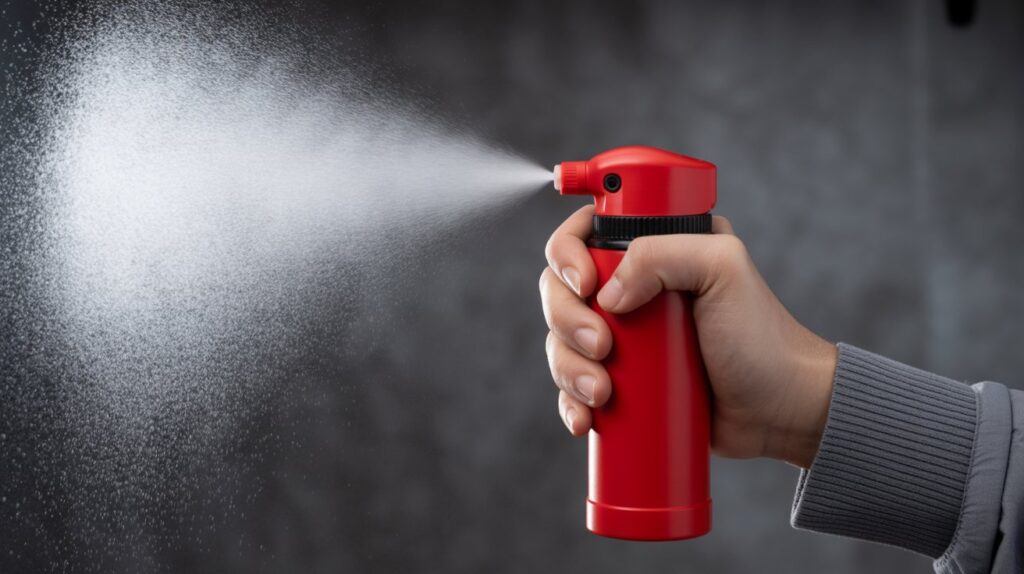
Understanding the physical format of your defense spray is just as critical as knowing the law. For instance, selecting between a direct stream, a wide mist, or a wind-resistant formula can drastically change how your spray performs outdoors. To pick the right delivery method for your daily carry, review our full comparison on Stream vs Fogger vs Gel Pepper Spray.
The remainder of this guide covers Florida’s specific legal nuances—including exact statutory size limits, age restrictions, restricted carry zones, and what legally constitutes defensive misuse.
Florida’s Legal Stand on Pepper Spray
Florida law explicitly protects an individual’s right to carry non-lethal self-defense tools. Under Florida Statute § 790.001, a designated “self-defense chemical spray” is legally excluded from the state’s definition of a restricted “chemical weapon or device”—provided it meets the following strict statutory criteria:
- Compact Container Volume: The canister contains no more than two net ounces (2 oz) of chemical solution.
- Lawful Defensive Intent: The device is carried solely for personal protection and defensive purposes.
Because of this statutory exemption, residents and visitors can legally carry pepper spray openly or concealed in public spaces across Florida without a concealed weapons license.
Criminal Penalties for Misuse
While Florida law permits carrying defense sprays, it strictly regulates their deployment. Using chemical sprays aggressively, threatening others without immediate cause, or deploying spray against law enforcement officers can trigger severe misdemeanor or felony charges under Florida Statute § 790.054. Florida law strictly protects genuine self-defense—not aggressive conduct or unlawful brandishing.
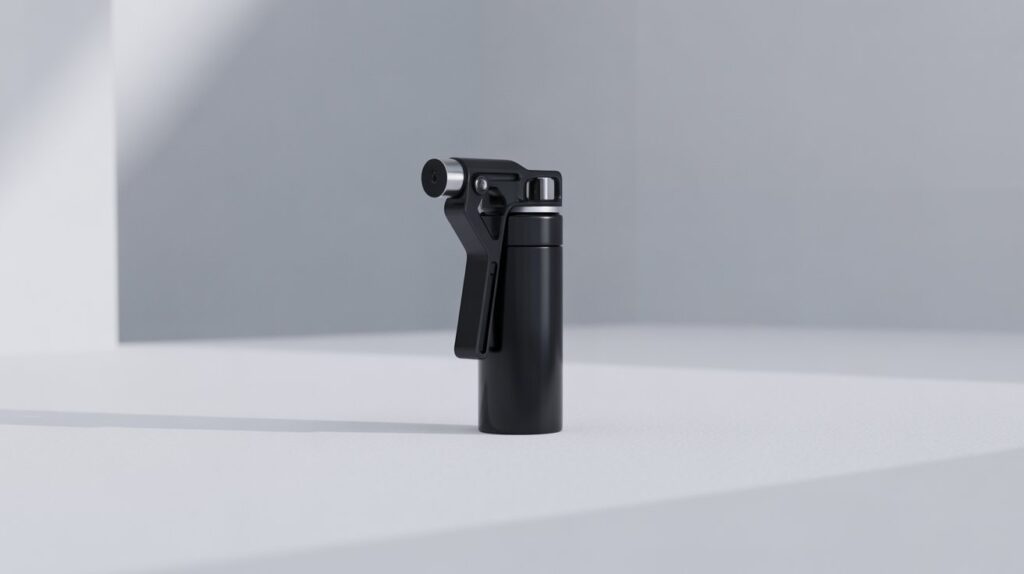
Size and Usage Limits for Defense Sprays in Florida
To stay legally compliant in Florida, personal security sprays must adhere to strict statutory physical volume limits.
- The 2-Ounce Canister Threshold: Under Fla. Stat. § 790.001(3)(b), civilian self-defense sprays must contain no more than 2 net ounces (59 ml) of active chemical solution (such as Oleoresin Capsicum or tear gas).
- Classification of Oversized Canisters: Carrying canisters larger than 2 ounces—such as commercial bear deterrents or heavy-duty riot sprays—without a concealed weapons license reclassifies the device as an unlawful chemical weapon, which can carry severe felony penalties.
- Label Verification: Before purchasing, ensure the product packaging explicitly indicates a net weight of 2 oz or less and specifies it is designed exclusively for personal defense.
Eligibility: Who Can Legally Possess Defense Sprays?
Florida law guarantees responsible citizens access to non-lethal protection tools, but specific disqualifying factors apply:
- Age Requirements: Individuals 18 years of age or older can lawfully purchase, possess, and carry chemical sprays both openly and concealed without a permit. Minors under 18 may possess sprays only with parental consent or under adult supervision, depending on local municipal ordinances.
- Convicted Felons: Individuals convicted of a felony are strictly restricted from carrying items classified as chemical weapons or dangerous devices. Carrying defense sprays under active probation terms should be verified with a legal representative.
- Campus & Public Safety: Parents frequently equip college students with compact keychain sprays for off-campus housing and late-night commutes—a practice that is fully permitted across public university grounds under standard safety guidelines.
Criminal Penalties: When Defensive Deployment Becomes a Crime
Deploying pepper spray is only legally justified under immediate threat conditions where proportional force is required to prevent bodily harm. Unjustified deployment shifts legal standing from self-defense to active criminal conduct.
| Offense Type | Legal Context under Florida Law | Potential Statutory Penalty |
| Simple Battery | Deploying spray during verbal disputes or minor arguments without physical threat. | First-degree Misdemeanor (Up to 1 year jail) |
| Aggravated Battery / Assault | Using chemical sprays aggressively or causing permanent injury to an individual. | Second-degree Felony (Up to 15 years prison) |
| Misuse Against Law Enforcement | Discharging spray against on-duty police officers or emergency responders (Fla. Stat. § 790.054). | Third-degree Felony (Up to 5 years prison) |
Pro Tip: Under Florida’s Self-Defense Framework (F.S. 776.012), chemical spray should only be drawn when you reasonably believe imminent force is necessary to defend yourself or others from unlawful force. Using defense tools out of anger, intimidation, or retaliation voids legal immunity.
Safe and Responsible Carrying Practices for Defense Sprays
Carrying a personal safety spray legally in Florida is only half the equation—knowing how to store, maintain, and deploy your canister safely during an emergency is critical for effective self-defense.
1. Maintain Immediate Accessibility
In high-stress situations, searching through a cluttered purse or backpack wastes precious seconds. Secure your spray using a heavy-duty belt clip, a quick-release lanyard, or a specialized keychain pepper spray holster. Always store defense canisters safely out of reach of children at home.
2. Monitor Canister Expiration Dates
Active chemical ingredients—such as Oleoresin Capsicum (OC)—and propellant pressure degrade over time. Most manufacturers recommend replacing canisters every 2 to 4 years to ensure optimal pressure, firing range, and fluid delivery during critical moments.
3. Practice Quick-Draw and Activation Techniques
Familiarize yourself with your canister’s specific safety lock mechanisms (e.g., flip-top caps, twist-locks) before carrying it in public. Understanding firing ranges and spray dispersion patterns—especially when comparing standard formulas against wind-resistant options like gel pepper spray—builds muscle memory and reduces tactical errors under pressure.
4. Deploy Exclusively for Lawful Defense
Chemical defense tools must strictly be reserved for situations where you face an active threat of bodily harm. Brandishing a canister during arguments, using it in anger, or discharging it as a prank turns a legal security tool into a serious criminal liability under Florida law.
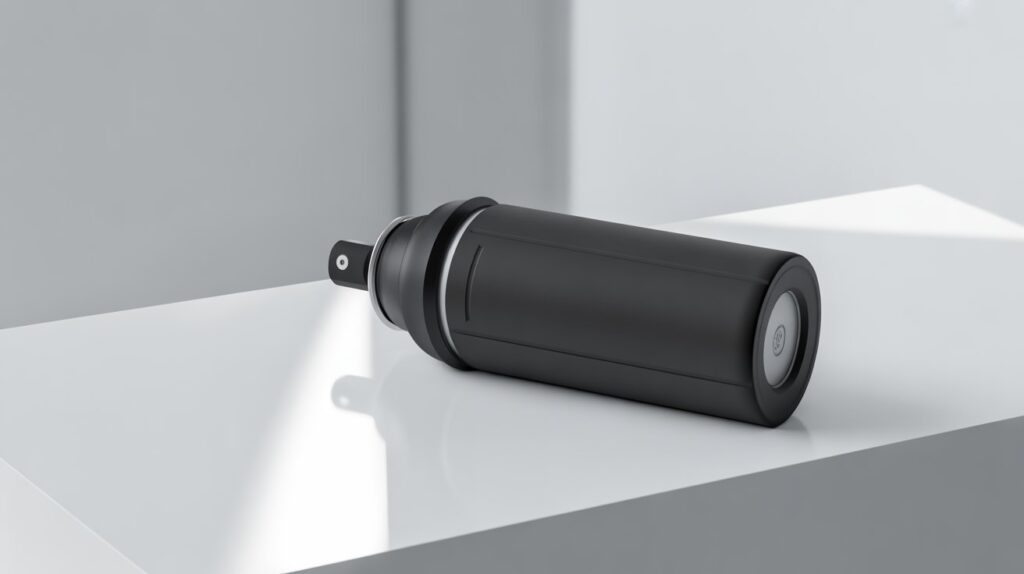
Real-Life Perspective: Why Knowing the Law Matters
Many people buy pepper spray thinking it’s just a simple safety tool — but few stop to ask, is pepper spray illegal in Florida or how the law actually works. That small gap in knowledge can make a big difference in real life.
Imagine defending yourself during a late-night walk, only to face questions from the police about the spray’s size or your reason for using it. Knowing the law ahead of time saves you from fear, confusion, or legal trouble later.
Understanding Florida’s pepper spray rules gives you confidence — the peace of mind that you can protect yourself legally and effectively when it matters most.
Conclusion: Stay Protected, Stay Legal
Pepper spray is legal in Florida for self-defense, as long as you stay within the 2-ounce limit and use it responsibly. Knowing the law doesn’t just keep you compliant — it gives you the confidence to carry and use your spray effectively when it matters most.
Carrying pepper spray isn’t a sign of fear; it’s a practical step toward staying prepared. Pair that legal awareness with situational awareness, and you’re better equipped to protect yourself, your family, and your peace of mind.
If you’re deciding which spray to carry, our guide to different types of pepper spray can help you choose the right strength and format for your needs.
FAQs
Is pepper spray legal to carry in Florida without a permit?
Yes, pepper spray is 100% legal to carry in Florida without a concealed carry permit. Under Florida Statute § 790.001(3)(b), self-defense chemical sprays are explicitly exempted from the legal definition of restricted weapons, provided the canister contains no more than 2 net ounces (59 ml) of solution and is carried solely for personal protection.
What is the legal age limit to buy and carry pepper spray in Florida?
While Florida statutory law does not set a strict statewide minimum age for possessing self-defense sprays, individuals must be 18 years or older to purchase pepper spray independently. Minors may carry chemical sprays with parental consent, although individual retailers routinely enforce an 18+ store policy for sales.
Can convicted felons legally carry pepper spray in Florida?
No. Under Florida law, convicted felons are legally prohibited from purchasing, possessing, or carrying self-defense chemical sprays or other restricted weapons. Possession of chemical sprays while on felony probation can also lead to probation violations and additional criminal charges.
Where are you prohibited from carrying pepper spray in Florida?
While pepper spray can be carried openly or concealed in most public places (such as sidewalks, parks, and parking lots), it is strictly prohibited in designated restricted zones, including:
Airport secure areas and TSA checkpoints (violators face federal fines)
Federal buildings and courtrooms
Public school grounds and university facilities (subject to district safety policies)
Private businesses or venues that explicitly ban defensive weapons on site
What are the legal penalties for misusing pepper spray in Florida?
Unlawful deployment of pepper spray outside of legitimate self-defense scenario constitutes a serious crime under Florida law:
Simple Battery: Spraying someone during a verbal argument or non-threatening situation is charged as a first-degree misdemeanor.
Aggravated Assault/Battery: Causing severe injury or deploying spray maliciously can result in felony charges.
Use Against Law Enforcement: Discharging chemical spray against a police officer or emergency responder is a third-degree felony under Florida Statute § 790.054.
About the Author
M. Bilal studied criminology and writes about self-defense laws and personal safety tools for CrimTechHub, with a focus on helping readers understand state-specific legal requirements before they carry a self-defense product.