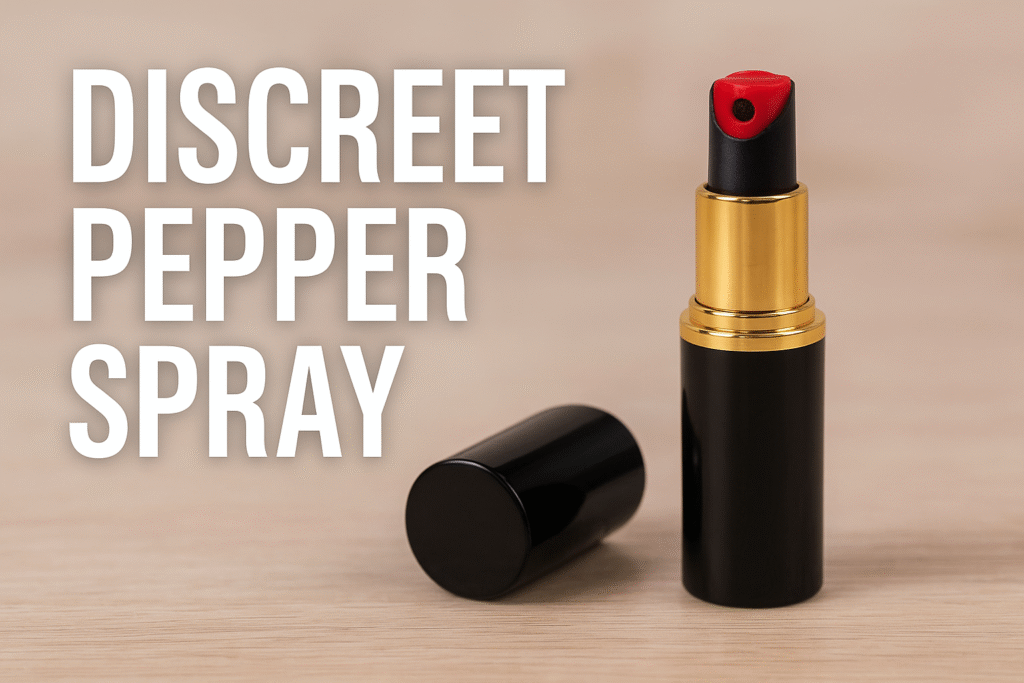

Introduction
Can you bring pepper spray on a plane? It’s one of the most common questions travelers ask before a trip, especially if personal safety is a priority. Since TSA and airline rules around self-defense items are strict and often misunderstood, knowing exactly what’s allowed before you pack can save you a headache at security.
This guide breaks down what you need to know for both domestic and international flights — TSA’s checked baggage rules, why carry-on bags are off-limits, and a few practical alternatives worth considering. By the end, you’ll know exactly how to pack for your trip without risking a confiscation or fine at the checkpoint.
Table of Contents
Understanding Airline Safety Rules Around Pepper Spray
Before wondering whether pepper spray can go on a plane, it helps to understand why airport security treats self-defense items so seriously in the first place. Every single item a passenger carries has to clear both TSA regulations and the specific airline’s own policy, since the safety of an entire cabin full of strangers depends on it.
Pepper spray is built for personal protection, but from a security standpoint it’s viewed as a chemical risk. The compound inside is designed to release under pressure, and a cabin at cruising altitude is exactly the kind of confined, pressurized space where an accidental leak could affect everyone on board — not just the person carrying it. That’s the real reason airport authorities keep such a close eye on it.
In the United States, the TSA sets the standard for what can and can’t travel with you. Bags fall into two categories — carry-on and checked — and each comes with its own set of rules. Ordinary items like your phone charger or shampoo bottle move through security without a second look, but self-defense tools such as pepper spray, pocket knives, or stun guns face limits that vary depending on which bag they’re packed in.
It’s worth remembering these rules aren’t only there to catch people with bad intentions. A far more common scenario is an accidental leak caused by pressure changes during a flight, or a canister someone simply forgot was in their bag. Knowing the current policy ahead of time isn’t about avoiding suspicion — it’s about avoiding a genuinely awkward and preventable mess at 30,000 feet.
Because these guidelines shift from time to time, the smart move is always to check the latest TSA policy directly before you pack, rather than assuming last year’s rule still applies.
If home protection is on your mind beyond just travel days, our guide on how smart locks work without WiFi is worth a look — it covers keeping your front door secured even when the power or internet goes out, which fits naturally with anyone thinking about layered personal safety.
Can You Bring Pepper Spray on a Plane? (TSA Regulations Explained)
Can You Bring Pepper Spray on a Plane? The Short Answer
Yes — but only in checked baggage, and only if it meets a specific set of conditions. Carry-on bags are completely off-limits for pepper spray, no matter how small or “travel-friendly” the canister claims to be.
TSA’s own rule allows a single container up to 4 fluid ounces (118 ml) in checked luggage, provided it has a safety mechanism built in to stop it from discharging on its own. Go over that size, or skip the safety feature, and the canister simply isn’t allowed to fly at all, checked or not.
Carry-on bags are a different story entirely. Because cabins stay pressurized for the whole flight, even a tiny leak has nowhere to go — which is exactly why TSA treats this as a hard no rather than a “pack it carefully” situation. Try to bring it through the checkpoint and expect it to be taken away on the spot, sometimes along with a penalty depending on the circumstances.
One detail people often miss: TSA approval doesn’t mean every airline agrees. A handful of carriers block pepper spray from checked bags entirely, even though federal rules would technically permit it. That gap between TSA policy and individual airline policy is where most surprises happen, so it’s worth a quick check with your airline before you finish packing — you can confirm the current federal standard directly on the TSA’s official pepper spray guidance page. Transportation Security Administration
If personal safety is on your mind beyond travel days too, our guide on how smart locks work without WiFi covers keeping your entryway secure even when power or internet drops — a natural next read for anyone thinking about layered protection at home.
To sum it up:
- Allowed in checked baggage (up to 4 oz / 118 ml, with safety lock)
- Not allowed in carry-on luggage
- Must comply with TSA and airline regulations
Following these rules ensures your self-defense spray doesn’t cause problems during security checks or on the flight. Always double-check TSA updates before you travel — the policies can change over time depending on safety evaluations.

Carry-On vs. Checked Baggage: What’s the Difference?
When people ask can you bring pepper spray on a plane, the most important thing to understand is the clear difference between carry-on luggage and checked baggage, because TSA rules treat them very differently—especially for self-defense items like pepper spray.
Carry-on bags are the luggage you keep with you inside the cabin, either under your seat or in the overhead compartment. Since the aircraft cabin is a fully enclosed and shared space, strict safety rules apply. For this reason, items like pepper spray, stun devices, and other defensive sprays are not allowed at all in carry-on bags, even if they are small or keychain-sized.
In contrast, checked baggage is stored in the aircraft’s cargo hold, where certain restricted items are allowed under controlled conditions. TSA may permit one container of pepper spray up to 4 ounces (118 ml), but only if it includes a proper safety lock or mechanism to prevent accidental discharge. If the item does not meet these requirements, it can be removed during screening.
Not following these rules can result in confiscation, travel delays, or in some cases penalties. That’s why it’s essential to know exactly what belongs in your carry-on versus what can go in checked luggage to ensure a smooth and stress-free travel experience.
In short:
- Carry-On Bag: Pepper spray is not allowed under any condition.
- Checked Baggage: One container (under 4 oz) is allowed, with a safety lock.
- Always follow TSA and airline safety rules to avoid issues at security checkpoints.
By knowing the difference between carry-on and checked baggage, travelers can pack smartly and avoid unnecessary problems — especially when wondering can you bring pepper spray on a plane.
International Travel Rules Around Pepper Spray
Rules around pepper spray don’t stop at TSA — they change again depending on where you’re landing. What’s allowed to fly out of a U.S. airport can still get you in trouble the moment you clear customs somewhere else, so checking both departure and destination rules is a step travelers can’t afford to skip. Getting caught with pepper spray in a country where it’s banned isn’t a minor inconvenience — it can mean confiscation, a fine, or in stricter jurisdictions, a legal case against you.
This is why international travel calls for a more cautious approach than a domestic flight. Federal aviation regulations set by ICAO and IATA prohibit self-defense sprays entirely, in both carry-on and checked baggage, once international rules come into play — a stricter standard than the checked-baggage allowance that applies within the U.S. If your itinerary crosses borders, it’s often simpler to leave the spray at home and lean on alternatives that don’t carry the same legal risk, like a personal safety alarm or a compact tactical flashlight. Federal Aviation Administration
The habit that saves the most hassle is a simple one: check airport and airline rules before you ever start packing, not after you’re already at the gate. That way, the next time someone asks whether pepper spray can go on a plane, you already know the answer for your specific route — departure country, destination, and everything in between. For the exact federal baseline these airline and country-level rules build on, the FAA’s PackSafe guidance on sprays and repellents is worth bookmarking before any trip. Federal Aviation Administration
If you’re rethinking your personal safety setup for travel, the same mindset applies to your home base — our piece on how smart locks work without WiFi is a natural next step for anyone building out layered protection beyond just what fits in a suitcase.
What Happens If You Bring Pepper Spray Accidentally?
Packing a restricted item by mistake happens more often than travelers think, and what follows really depends on where it turns up during screening.
If it surfaces in your carry-on, TSA removes it on the spot — pepper spray simply isn’t permitted in the cabin. Most of the time, you’re told the rule, the item is taken, and you’re free to continue on to your gate without further delay.
Checked luggage works a little differently. It’s only allowed to stay in your bag if it meets TSA’s requirements — the right size and a working safety mechanism. If it doesn’t check those boxes, expect it to be pulled out and confiscated, often with a notice left behind explaining why.
International travel raises the stakes further. Even an honest, unintentional slip-up can turn into a fine or a legal headache once you land somewhere with stricter self-defense item laws.
The easiest way to sidestep all of this is a quick double-check of your bags before you leave for the airport, paired with a look at your airline’s current security policy.

Safe Alternatives for Self-Defense While Traveling
Since the answer to “can you bring pepper spray on a plane” is generally no for carry-on luggage, many travelers start searching for safer and airline-approved ways to stay protected during their journey. Air travel comes with strict security rules, and because of that, carrying traditional self-defense sprays in the cabin is not allowed in most cases. This leaves many people wondering how they can still feel secure while traveling.
Fortunately, there are several TSA-approved and non-lethal self-defense alternatives that can help you stay safe without violating airline regulations. These options are designed to provide personal security while remaining fully compliant with travel laws. Tools such as personal safety alarms, tactical flashlights, and whistle devices are commonly used by frequent travelers because they are simple, effective, and easy to carry through airport security.
By choosing the right alternative, you can still maintain a strong sense of personal safety without facing any issues at checkpoints. Understanding these options not only helps you travel more confidently but also ensures you stay fully within airline rules while keeping your security a priority.
Here are some of the best options:
1. Personal Safety Alarms
Small, lightweight, and easy to use, personal safety alarms create a loud noise that can scare off an attacker and attract attention in seconds. They are TSA-friendly, battery-powered, and can be attached to your keychain, purse, or luggage.
2. Tactical Flashlights
A tactical flashlight serves two purposes — it helps you see clearly in dark areas and can also be used as a self-defense tool to temporarily disorient someone. Most are compact and allowed in both carry-on and checked baggage.
3. Self-Defense Keychains
Some keychain tools, such as the Kubotan or defense sticks, are permitted if they don’t have sharp edges or look like weapons. Always check TSA guidelines before carrying them to avoid confusion during security screening.
4. Whistles and Emergency Devices
A simple whistle is one of the most effective and legal self-defense items you can bring anywhere in the world. It’s small, lightweight, and perfect for travelers who want to stay alert without carrying restricted items.
5. Mobile Safety Apps
Technology can also help keep you safe. Many personal safety apps allow you to share your live location or send emergency alerts with just one tap — a great option for solo travelers.
These alternatives offer peace of mind without risking confiscation or penalties at airport security. They comply with TSA travel rules and work well in both domestic and international trips.
So, while the answer to can you bring pepper spray on a plane is generally no for cabin luggage, these safe options help you stay prepared and confident during your journey — without violating airline or TSA regulations.
Tips for Traveling with Pepper Spray Safely
If you’re planning to pack self-defense spray for your trip, it’s important to understand how to do it the right way. Even though the answer to can you bring pepper spray on a plane is no for carry-on luggage, you can still bring it safely in checked baggage — as long as you follow TSA and airline guidelines carefully.
Here are some practical tips for traveling safely with pepper spray:
1. Follow TSA Size and Safety Rules
Only one container of 4 ounces (118 ml) or less is allowed in your checked bag, and it must include a safety mechanism to prevent accidental discharge. Never pack larger or unsealed containers, as they will be confiscated.
2. Check Airline Policies Before Flying
Even if TSA allows it, some airlines have stricter rules and may ban pepper spray completely. Before traveling, visit your airline’s website or contact customer service to confirm their pepper spray policy.
3. Pack It Properly
Place the spray in a sealed plastic bag or wrap it securely to prevent leakage during flight. Keep it away from fragile or pressurized items to reduce the risk of damage.
4. Avoid Carrying It in Handbags or Backpacks
Always remember — pepper spray is not allowed in carry-on luggage. Packing it in your handbag or personal item could lead to TSA confiscation or fines.
5. Check Local Laws at Your Destination
Different countries and even some U.S. states have their own laws about carrying or owning pepper spray. Before your trip, research the local regulations to ensure it’s legal to have it once you land.
6. Consider Safer Alternatives
If you’re unsure about airline rules or international laws, consider TSA-approved self-defense tools like personal alarms or tactical flashlights instead. These are safe, legal, and easy to carry on any flight.
Traveling with pepper spray is possible, but only if done responsibly. Following these tips ensures your self-defense item doesn’t cause issues at security checkpoints or violate airline policies.
So, the next time you wonder can you bring pepper spray on a plane, remember — yes, but only in checked luggage, within limits, and packed the right way. Safe, smart packing keeps your journey smooth and stress-free.

FAQs
Can you bring pepper spray on a plane?
Only in checked baggage — a single 4 oz. container with a safety mechanism is allowed. Carry-on bags never permit it.
Is pepper spray allowed in carry-on luggage?
No. TSA treats it as a restricted self-defense item, and any amount found at the checkpoint gets confiscated on the spot.
Can pepper spray go in checked bags on international flights?
Generally no — international aviation rules ban self-defense sprays in both carry-on and checked baggage, regardless of TSA’s domestic allowance.
Does every airline allow pepper spray in checked luggage?
Not necessarily. Some carriers ban it outright even when TSA permits it, so checking your specific airline’s policy matters.
What happens if pepper spray is found in a carry-on at security?
It gets confiscated immediately, and depending on the situation, you could also face a penalty.
Are there safer self-defense alternatives for international travel?
Yes — personal safety alarms and tactical flashlights avoid the legal risk pepper spray carries across borders.
Conclusion
So, can you bring pepper spray on a plane? It comes down to how you pack it. TSA allows one 4 oz. container in checked baggage with a proper safety mechanism, but carry-on bags are off-limits entirely.
Knowing this ahead of time saves you from delays, confiscation, or fines at security. Since rules shift by airline and by country, always confirm official policies before you travel.
If packing pepper spray feels like too much hassle, personal safety alarms or tactical flashlights offer solid protection without the travel restrictions.
A little preparation goes a long way — for more on building layered personal security at home too, check our guide on how smart locks work without WiFi.
M Bilal is a content writer and researcher at CrimTechHub, focused on travel safety, self-defense tools, and home security topics. His articles are researched using official sources such as TSA guidelines and government safety publications to help readers make informed, compliant decisions before they travel or purchase security products.