Introduction
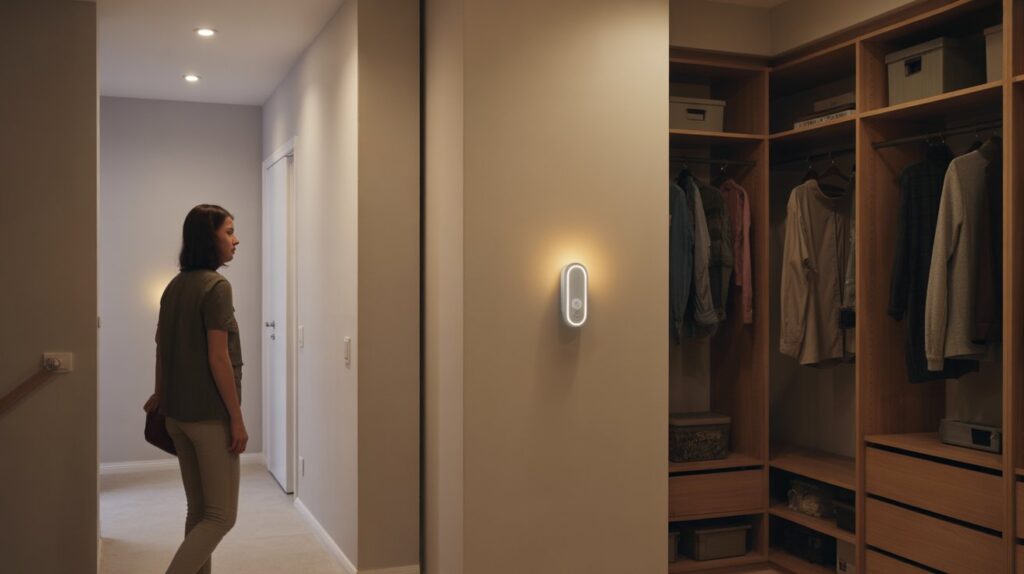
A dark hallway at night or a dim closet can turn a simple task into a struggle. That’s exactly why wireless motion sensor lights indoor have become a go-to upgrade for homes across the USA — they turn on the moment they detect movement, giving instant brightness right where you need it, with no switches to fumble for and no harsh overhead glare.
Whether it’s a safer staircase, a brighter pantry, or an easier midnight bathroom trip, small lighting changes can make a home feel noticeably better. Sometimes the smallest upgrades make the biggest difference.
Table of Contents
Yeh raha unique, SEO-optimized rewrite with a relevant internal link jala hua:
Why So Many Homes Still Have Dark, Unsafe Indoor Spaces
Almost every house has a spot that never gets enough light — a hallway, a closet, a staircase, or a laundry room tucked away from any window. These areas get used constantly, yet they’re often the last ones to get proper lighting, with switches placed somewhere inconvenient or overhead fixtures too weak to matter.
The problem goes beyond annoyance. A poorly lit staircase raises real fall risk, especially for kids and older adults moving around at night. Even routine tasks — picking an outfit in a dark closet, finding a box in storage — take longer and feel harder than they should. Left alone, these small gaps in lighting quietly add friction to daily life.
This is exactly the gap that battery powered motion sensor lights are built to close. With no wiring and no installation hassle, they bring instant light to the exact spots that need it — without leaving anything switched on around the clock. For renters, growing families, and anyone short on time, it’s an upgrade that pays off from the first night.
The biggest home improvements aren’t always the expensive ones. Sometimes fixing the darkest corner of a hallway does more for daily comfort than any renovation could.
What Are Wireless Motion Sensor Lights Indoor and How Do They Work?
At their core, wireless motion sensor lights indoor are built to switch on the instant they sense movement — no wall switch involved. Step into a dark hallway or open a closet door, and the light responds before you even reach for anything.
Most models rely on a PIR (Passive Infrared) sensor, which picks up the heat signature of movement within a set range. Once triggered, the light stays on for a fixed duration and turns off automatically once the space is still again — a simple design that saves battery life while keeping the light hands-free. Some newer picks, like dual-sensor LED strip lighting, combine motion and light-level detection so the light only activates when it’s actually dark, adding an extra layer of accuracy over basic single-sensor models.
There are two common power options, and each works well for different needs:
- Battery-powered lights are simple to install and great for places where charging may be inconvenient.
- Rechargeable lights can save money over time and are ideal for frequently used areas.
- Some advanced models include USB charging for quick and easy power refills.
One reason homeowners love wireless motion sensor lights indoor products is their flexibility. They can be placed almost anywhere inside the home without wiring or professional installation.
Best places to use them include:
- Hallways for safer nighttime walking
- Staircases to reduce trips and falls
- Closets for instant visibility
- Bathrooms for late-night visits
- Garages, laundry rooms, and storage areas
- Under cabinets for kitchen task lighting
For renters, families, seniors, and busy households, these lights offer a practical solution. They bring light exactly where it is needed, turning overlooked spaces into safer and more useful parts of the home.
Top Benefits of Using Wireless Motion Sensor Lights Indoor
Adding wireless motion sensor lights indoor to your home may seem like a small upgrade, but the everyday benefits are surprisingly big. These lights improve comfort, safety, and convenience in ways many homeowners notice right away.
Hands-Free Light Right When You Need It
One of the biggest advantages is instant lighting without touching a switch. When your hands are full of laundry, groceries, or storage boxes, automatic light makes life easier. Walk into a hallway, closet, or bathroom, and the light turns on by itself.
This is especially helpful at night when you do not want to search for a switch in the dark.
Lower Energy Use and Less Waste
Many people accidentally leave lights on in closets, bathrooms, or hallways. Motion sensor lights solve that problem by turning off automatically after no movement is detected.
Benefits include:
- Reduced electricity use
- Longer light life in many LED models
- Less wasted energy during the day or overnight
- More efficient lighting for busy homes
For families trying to lower utility bills, this is a smart and simple step.
Fast Setup With No Wiring Needed
Traditional lighting upgrades can require tools, drilling, or hiring an electrician. Most wireless motion sensor lights indoor models install in minutes using adhesive strips, magnets, or screws.
That makes them ideal for:
- Renters who need damage-free options
- Homeowners wanting quick upgrades
- Apartments, condos, and dorm rooms
- Areas with no nearby outlet or switch
Extra Safety for Everyday Movement
Dark indoor spaces can create real safety risks. Stairs, hallways, and bathrooms become harder to navigate late at night. Automatic lighting helps reduce trips, slips, and missed steps.
This can be especially valuable for:
- Kids walking to the bathroom at night
- Seniors needing safer paths indoors
- Anyone waking up in low light
- Families with pets moving around after dark
In many homes, these small upgrades quietly change how a space feels — a hallway that used to feel unsafe at night, a closet that’s actually easy to see into. That’s the real value of wireless motion sensor lights indoor: less friction, more comfort, in the rooms you use every single day.
For spaces that need brighter, more focused coverage — like a garage or a windowless storage area — it’s worth pairing this setup with a dedicated motion sensor ceiling light built for higher-traffic zones.
How to Choose the Best Wireless Motion Sensor Lights Indoor
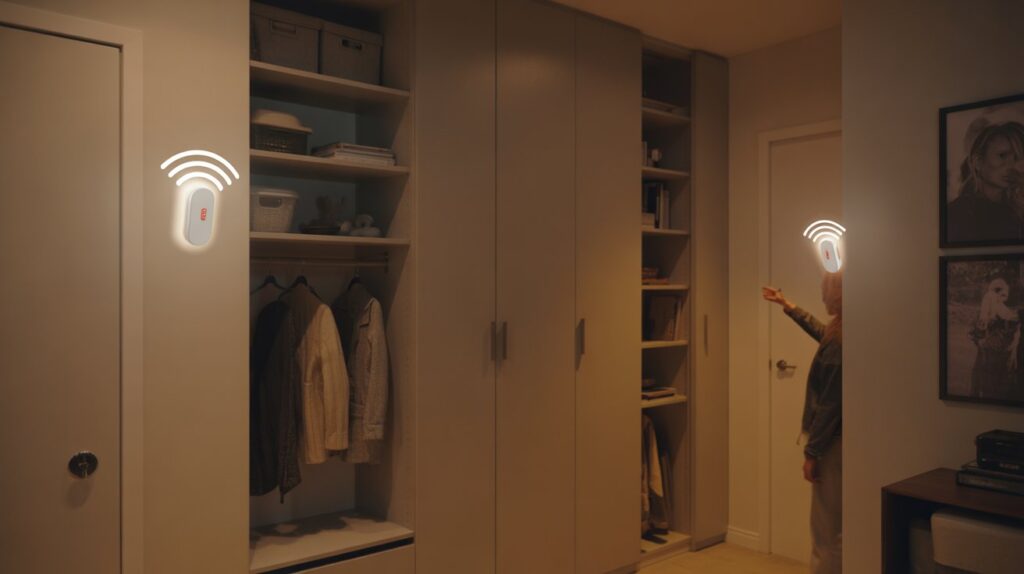
Not all lights perform the same, so choosing the right wireless motion sensor lights indoor option depends on where you plan to use it and how often the area needs light. A smart choice can make your home feel more comfortable, safer, and easier to move through every day.
Check Brightness Levels First
Brightness matters because every room has different needs. A closet may need soft light, while a stairway or garage may need stronger illumination.
Look for:
- Lower brightness for bedrooms, closets, or bathrooms
- Medium brightness for hallways and kitchens
- Higher brightness for stairs, garages, and storage spaces
- Adjustable brightness settings for more control
Make Sure the Sensor Range Fits the Space
Motion sensors work best when they can detect movement at the right distance. A short hallway may need a small range, while a larger room may need wider coverage.
Choose lights with:
- Quick motion detection
- Reliable side-to-side sensing
- Appropriate range for the room size
- Auto shut-off timing that feels natural
Compare Battery Life and Charging Options
Power source affects convenience. If the light turns on many times a day, rechargeable models can be a better long-term option. For low-traffic areas, battery-powered lights may work perfectly.
Good options include:
- Replaceable battery models for occasional use
- USB rechargeable lights for daily use
- Long battery life for less maintenance
- Low-battery indicators on premium models
Pick the Right Mounting Style
Installation should match your space. Many wireless motion sensor lights indoor products are designed for fast setup with no wiring required.
Common mounting styles:
- Adhesive backing for walls, closets, and renters
- Magnetic mounts for metal surfaces or easy removal
- Screw mounts for permanent placement and added stability
Choose a Design That Fits Your Home
A light should work well and look good. Clean, modern designs blend easily into most American homes, apartments, and condos.
Consider:
- Slim bars for under cabinets
- Round puck lights for closets
- Minimal white or black finishes
- Compact styles that stay discreet
According to the U.S. Department of Energy’s consumer lighting guide, choosing the right fixture design and light quality plays a direct role in both comfort and long-term energy savings — a principle that applies just as well to compact indoor motion lights as it does to full home lighting systems.
The best wireless motion sensor lights indoor choice is one that fits your routine, space, and style. When brightness, battery life, mounting, and design all match your needs, the upgrade feels effortless from day one.
Best Places to Install Wireless Motion Sensor Lights Indoor
One of the biggest advantages of wireless motion sensor lights indoor is flexibility. You can place them in areas where traditional lighting feels weak, inconvenient, or simply missing. The right placement can instantly make everyday routines easier and safer.
Closets and Wardrobes
Closets are one of the most common dark spots in any home. Reaching for clothes or shoes in poor lighting can be frustrating, especially during early mornings.
Why they work well here:
- Instant light when doors open or you step inside
- Easier outfit selection and organization
- No need for ceiling rewiring
- Great for walk-in or small closets
Stairways and Hallways
These spaces often become risky at night. A few steps in the dark can lead to slips, missed footing, or unnecessary stress.
Benefits of installing lights here:
- Safer nighttime walking paths
- Automatic light without touching switches
- Better visibility for children and seniors
- Helpful during power-saving nighttime routines
Under Cabinets and Pantry Areas
Kitchen task areas need clear lighting. Shadowy counters or dark pantry shelves make cooking and finding items harder than they should be.
Best uses include:
- Under kitchen cabinets for prep space
- Inside pantries for shelves and storage bins
- Utility rooms for supplies and tools
- Laundry areas for quick visibility
Bathrooms and Bedrooms for Late-Night Use
Bright overhead lights can feel harsh in the middle of the night. Soft motion lighting creates a calmer experience when waking up.
Smart placement ideas:
- Near bathroom entryways
- Along baseboards or pathways
- Beside the bed for gentle lighting
- Near dressers or bedroom closets
This isn’t just about comfort — according to the Sleep Foundation’s research on light and sleep, harsh light exposure at night can disrupt the body’s circadian rhythm and make it harder to fall back asleep, which is why softer, motion-triggered lighting is a better fit for late-night use than a full overhead light.
With the right placement, wireless motion sensor lights indoor can transform overlooked areas into useful, welcoming spaces. Small upgrades in the right spots often make the biggest daily difference.
Conclusion
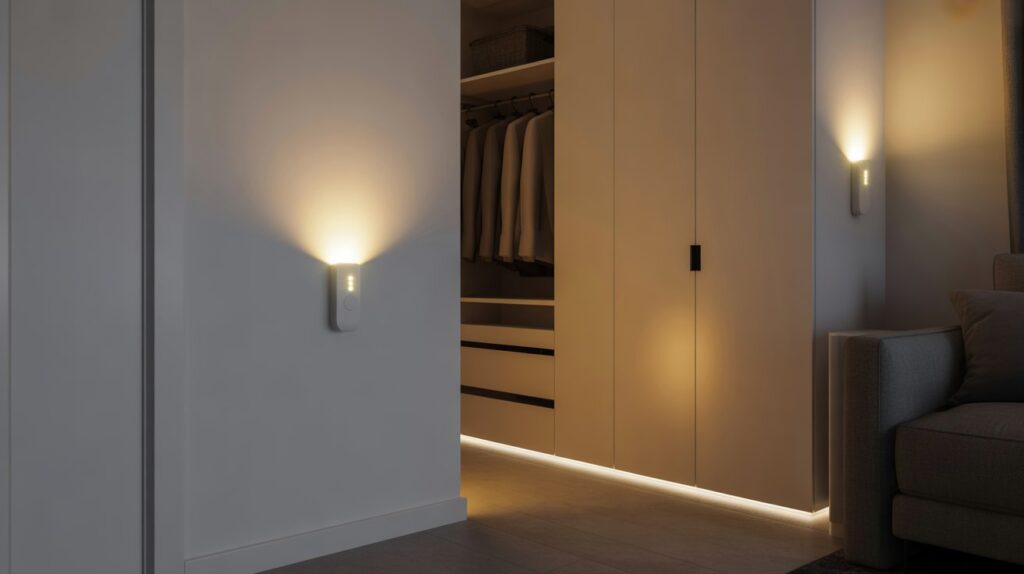
Sometimes the smallest upgrades make the biggest difference. Wireless motion sensor lights indoor turn dark, frustrating corners — closets, hallways, stairs, bathrooms — into spaces that feel safer and easier to use every day, with no rewiring or renovation required.
If you’re ready to upgrade beyond just one room, check out these motion sensor light bulbs for a simple way to bring the same automatic convenience to entrances, garages, and stairwells across your home.
What dark corner of your home could use this upgrade today?
FAQs
What are the disadvantages of motion sensor lights?
They can sometimes turn off too quickly or miss slow movement, and in some cases, pets may accidentally trigger them.
How can I light my stairs without electricity?
You can use wireless motion sensor lights, battery-operated LED strip lights, or rechargeable stick-on lights for safe stair visibility.
What is better, PIR or motion sensor?
PIR (Passive Infrared) sensors are generally better for indoor use because they are more accurate at detecting human body heat.
Which brand of LED light is best?
Popular reliable LED brands include Philips, GE Lighting, and Sylvania, known for durability and energy efficiency.
What is the most popular LED light brand?
Philips remains one of the most widely recognized and trusted LED lighting brands in the USA, known for consistent quality and wide product availability.
What are the disadvantages of LED lighting?
Some LED lights can have higher upfront costs and may cause glare if brightness or color temperature is not chosen correctly.
How many lumens is equivalent to a 60 watt light bulb?
A typical 60-watt incandescent bulb is roughly equal to about 800 lumens in LED brightness.
About the Author
M Bilal holds a Bachelor’s degree in Criminology, with a focus on how physical security, surveillance systems, and everyday home safety measures actually work in practice. This background shapes how CrimTechHub approaches home security content — grounded in an understanding of deterrence, risk factors, and practical safety rather than just product specs.
At CrimTechHub, every guide is researched using manufacturer documentation, safety standards, and trusted industry sources before publishing, with regular updates as products and standards change. The goal is straightforward: help homeowners make informed, safer choices for their homes without the guesswork.