
Introduction
Have you ever returned to your parked car only to find scratches, dents, or even a broken window—and no clue who did it? It’s a frustrating and helpless feeling that many drivers in the USA know all too well. Vehicle vandalism can happen anywhere, from crowded city streets to quiet apartment lots, often when you least expect it.
This is where 24-hour vehicle cameras to capture vandalism while parked make a real difference. These cameras provide constant, reliable monitoring, ensuring that any suspicious activity is recorded, giving you evidence, peace of mind, and protection for your car. In this article, we’ll explore how these cameras work, why they matter, and how they can keep your vehicle safe even when you’re away.
Table of Contents
Why Vehicle Vandalism Happens Most When Your Car Is Parked
For many car owners, the most frustrating damage doesn’t happen on the road—it happens when the vehicle is sitting still. You park your car overnight or leave it in a public lot, and by the time you return, there’s a scratch, a broken mirror, or a smashed window. That feeling of helplessness is real. There’s no warning, no witness, and often no clear proof of who did it. This is exactly why interest in 24-hour vehicle cameras to capture vandalism while parked has grown so quickly across the United States.
Parked cars are easy targets because they’re unattended. In apartment complexes, city streets, shopping centers, and even quiet suburban neighborhoods, vandals know no one is watching. Acts of vandalism often happen late at night or in low-traffic hours, when visibility is poor and accountability is low. Without active monitoring, the damage usually becomes a costly surprise—one that insurance companies and law enforcement struggle to act on without evidence.
There’s also the emotional side that many people don’t talk about. A car is not just transportation; for many Americans, it’s a major investment and part of daily life. Seeing it damaged for no clear reason creates stress, anger, and a sense of violation. This emotional impact is a key reason why drivers now look for reliable ways to monitor their vehicles around the clock, especially when parked for long periods.
Understanding why vandalism happens when cars are parked helps explain the rising demand for continuous recording solutions. When vehicles are left unprotected, the risk is simply higher. That reality has pushed more drivers to consider 24-hour vehicle cameras—not out of fear, but out of a practical need for awareness, evidence, and peace of mind when they’re not around.
What Are 24-Hour Vehicle Cameras and How Do They Work?
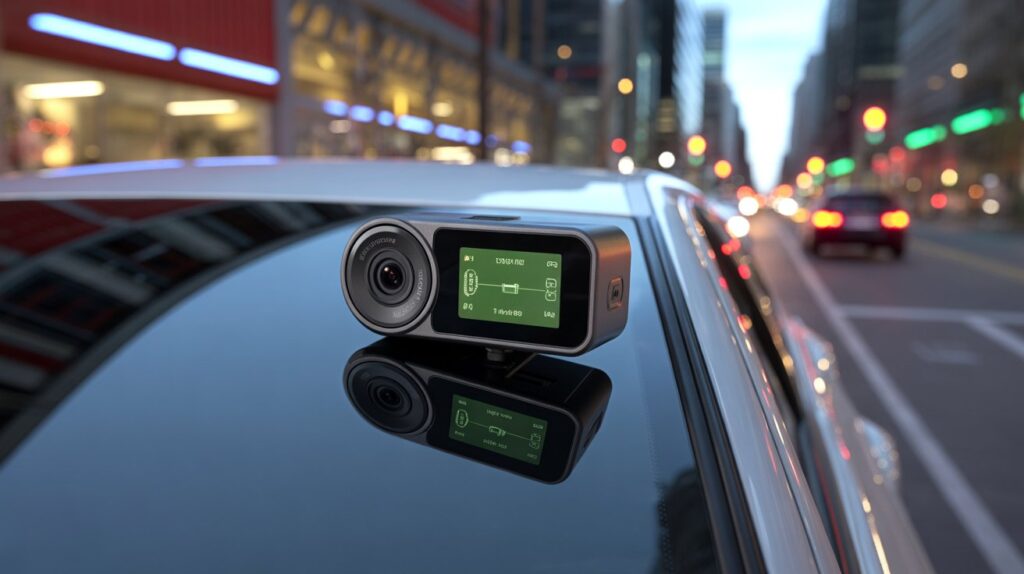
24-hour vehicle cameras are designed to keep watch over your car even when the engine is off and no one is inside. Unlike basic dash cams that only record while driving, these cameras continue monitoring your vehicle while it is parked. Their main purpose is to capture unexpected events such as vandalism, hit-and-runs, or suspicious activity, giving car owners peace of mind when they are away. For many drivers in the USA, 24-hour vehicle cameras to capture vandalism while parked feel less like a gadget and more like silent protection.
These cameras work through a feature commonly known as parking mode. When the car is turned off, the camera enters a low-power state but stays alert. If it detects movement near the vehicle or senses an impact, it automatically starts recording. This means if someone scratches your door in a parking lot or bumps into your car overnight, the camera can capture exactly what happened without needing constant manual control.
Power is what makes this continuous monitoring possible. Most 24-hour vehicle cameras rely on hardwiring to the car’s battery, a built-in backup battery, or an external battery pack. These power options allow the camera to function safely without draining the vehicle’s battery when properly installed. This setup is especially useful for cars parked on city streets or in apartment complexes, where supervision is limited.
What makes these cameras effective is how quietly they work in the background. There’s no flashing light or loud sound to draw attention, yet they stay ready at all times. For beginners, the idea is simple: once installed, the camera protects your parked vehicle automatically. That simplicity, combined with reliable evidence when damage occurs, is why more drivers now trust 24-hour vehicle cameras as a practical solution for everyday parking risks.
Understanding Parking Mode: The Key to 24-Hour Recording
- Parking mode is what allows 24-hour vehicle cameras to capture vandalism while parked, even when the engine is off and no one is inside the car. Instead of recording nonstop, the camera stays in a low-power standby state, ready to activate the moment something unusual happens. This smart setup helps protect your vehicle without draining the battery, which is especially important for cars parked overnight on city streets or in apartment complexes across the USA.
- Motion detection triggers recording when movement is sensed near your parked vehicle, such as someone walking too close, reaching for a door handle, or circling the car suspiciously. In real-life situations, this means the camera can start recording before actual damage occurs, giving clearer context and useful evidence rather than just showing the aftermath.
- Impact or G-sensor detection activates the camera when your car feels a sudden shake or hit, like a door ding, a shopping cart collision, or a hit-and-run in a parking lot. This feature is critical for capturing vandalism or accidents that happen quickly and unexpectedly, providing time-stamped footage that can support insurance claims or police reports.
- Time-lapse recording captures footage at set intervals over long periods, allowing the camera to monitor hours of activity while using minimal storage and power. This is useful in high-risk areas where vandalism is more likely, helping drivers review what happened around their vehicle without sorting through endless video files.
- Together, these parking mode features make 24-hour vehicle cameras reliable and practical for everyday protection, working quietly in the background while you go about your day. For many car owners, this layered detection system turns parking mode into the true backbone of round-the-clock vehicle security and peace of mind.
Can Dash Cams Really Record Vandalism While the Car Is Off?
The Short Answer: Yes — But Only With the Right Setup
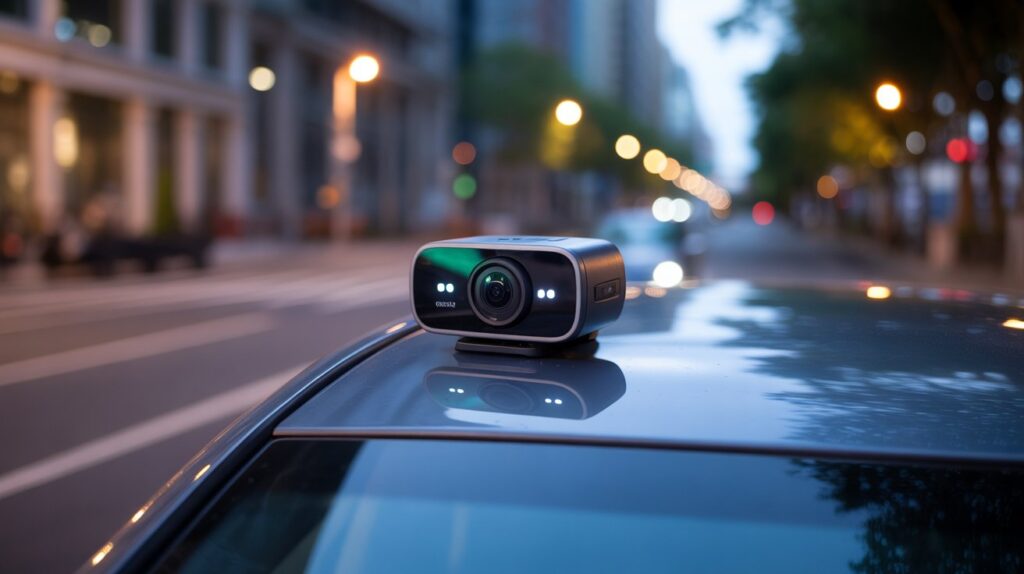
- Yes, modern dash cams can record vandalism while the car is off, but only if they support parking mode and have a proper power source. Standard dash cams stop working when the engine turns off, which is why many drivers assume recording is impossible. In reality, 24-hour vehicle cameras to capture vandalism while parked are specifically built to stay alert even when your car is unattended.
How Recording Works When the Engine Is Off
- When a dash cam is in parking mode, it does not record continuously. Instead, it waits for motion or impact before activating. This real-world logic keeps power usage low while still capturing critical moments, such as someone keying your door or hitting your bumper in a parking lot. For cars parked overnight on U.S. streets or shared lots, this setup offers realistic, reliable protection.
Why Not All Dash Cams Can Do This
- Not every dash cam supports off-engine recording. Basic models lack parking mode, motion sensors, or safe power management. Without these features, the camera simply shuts down with the car. This is why choosing the right model matters if your goal is capturing vandalism while parked, rather than just recording road trips.
What Makes the Difference in Real Life
- Dash cams that truly record while the car is off usually include smart power control, motion detection, and impact sensors working together. These features ensure the camera wakes up only when something happens, captures usable evidence, and shuts back down safely. For everyday drivers, this means fewer surprises, stronger proof, and more confidence when leaving a car parked for hours or days.
Power Sources That Enable 24-Hour Vehicle Camera Recording
- Hardwiring kits connect the camera directly to the vehicle’s fuse box, allowing continuous power even when the engine is off. This is the most reliable option for 24-hour vehicle cameras to capture vandalism while parked, especially for drivers who park overnight on city streets or in apartment garages. When installed correctly, hardwiring includes low-voltage protection, which helps prevent car battery drain and supports long-term, worry-free recording.
- Built-in batteries provide short-term recording when the car is turned off, making them useful for brief parking situations like grocery stores or office parking lots. While convenient and easy for beginners, these batteries have limited capacity and may not last through long nights. They work best as a backup solution rather than a primary power source for round-the-clock vehicle monitoring.
- External battery packs offer extended parking protection without relying on the car’s main battery, making them a popular choice for drivers who want extra safety. These packs charge while driving and power the camera when parked, delivering longer recording times and added peace of mind. For high-risk areas where vandalism is common, external batteries provide a balanced mix of reliability and protection.
- Choosing the right power source depends on how and where you park your car, as each option serves a different real-world need. Understanding these power solutions helps ensure your camera stays active when it matters most, capturing clear evidence instead of leaving you with unanswered questions.
How These Cameras Capture Clear Evidence of Vandalism
- Wide-angle coverage records more than just the front view, helping 24-hour vehicle cameras to capture vandalism while parked from multiple directions in tight parking spaces.
- Night vision allows clear recording in low light or complete darkness, which is when most vandalism happens in parking lots and on residential streets.
- High-resolution sensors improve detail clarity, making scratches, faces, and movements easier to identify in real-world situations.
- License plate visibility helps capture readable plates, especially during hit-and-run incidents or intentional damage near your parked car.
- Smart exposure control balances light and shadow, reducing glare from headlights and streetlights common in U.S. parking areas.
- Together, these features turn short clips into usable evidence, not just blurry footage, helping drivers feel protected and informed.
Are 24-Hour Vehicle Cameras Legal in the United States?
For many drivers, the question of legality is a top concern when installing 24-hour vehicle cameras to capture vandalism while parked. The good news is that in the United States, using a dash cam or vehicle camera for personal protection is generally legal, but there are a few important rules to keep in mind to stay compliant and protect your privacy.
- Recording your own vehicle and property is allowed. Cameras installed inside or outside your car to monitor your vehicle, detect vandalism, or gather evidence for insurance claims are legal in all 50 states. This makes 24-hour cameras a safe and practical choice for parked cars.
- Audio recording laws vary by state. While video recording is usually legal, some states like California, Florida, and Illinois require consent from all parties if the camera captures audio inside the vehicle. Drivers should check local laws to avoid unintentional violations.
- Avoid capturing private property beyond your car. Cameras should focus on your vehicle and immediate surroundings. Recording neighbors’ yards or private homes without permission can create legal issues, so angle placement matters.
- Public spaces are generally okay. Parking lots, streets, and other public areas where vandalism might occur are safe for recording, as long as you’re not infringing on someone’s expectation of privacy.
- Evidence from 24-hour vehicle cameras is widely accepted. Footage can be used for police reports, insurance claims, or security investigations, making it both legally useful and practically effective.
In short, 24-hour vehicle cameras are legal and reliable tools for monitoring vandalism, provided you follow basic privacy rules. For drivers in the USA, this makes them a trustworthy option for protecting parked vehicles while maintaining legal compliance.
What Features Matter Most for Capturing Vandalism While Parked
Wide-Angle Lens
- A wide-angle lens expands the camera’s field of view, ensuring that 24-hour vehicle cameras to capture vandalism while parked cover more of the car and surrounding area.
- This helps catch vandals approaching from different directions and provides context for any damage that occurs.
Night Vision
- Night vision is essential for recording in low-light conditions, such as overnight parking in streets, lots, or apartment complexes.
- Clear night footage ensures incidents are captured in usable detail, even when streetlights are dim or absent.
Motion Sensitivity
- Motion sensors trigger recording when movement is detected near the vehicle, reducing unnecessary footage and focusing only on potential threats.
- This real-world feature ensures the camera reacts quickly to suspicious activity, increasing the chances of capturing actionable evidence.
Loop Recording
- Loop recording automatically overwrites old footage, allowing continuous 24-hour monitoring without manually clearing memory cards.
- This ensures that critical vandalism events are always recorded without running out of storage, which is especially useful for daily city or suburban parking.
- Combining these features makes a vehicle camera highly effective for monitoring parked cars, giving drivers in the USA both peace of mind and strong evidence if vandalism occurs.
Common Limitations You Should Know Before Relying on a 24-Hour Camera
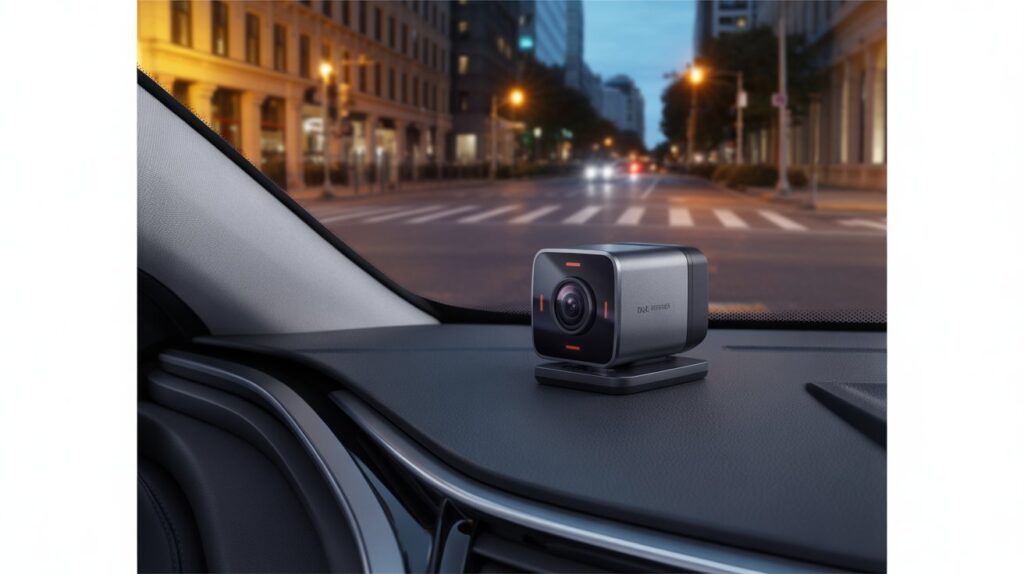
While 24-hour vehicle cameras to capture vandalism while parked are highly effective, it’s important to understand their limitations to set realistic expectations. These cameras provide peace of mind, but they are not foolproof. Knowing potential challenges helps drivers make informed decisions and prevents disappointment if a situation occurs.
- Battery and Power Constraints: Even with hardwiring or external battery packs, long-term continuous recording can drain power. Cameras may stop working if the car battery is weak or improperly installed.
- Blind Spots and Coverage Limits: No camera can cover every angle perfectly. Vandals approaching from unusual angles or outside the camera’s field of view may not be captured.
- Environmental Factors: Extreme temperatures, heavy rain, or snow can affect recording quality. Night vision helps, but visibility may still be reduced under harsh conditions.
- Storage Limitations: Memory cards have finite capacity. Without loop recording or regular maintenance, older footage may be overwritten before you can review it.
- Legal Restrictions: Recording audio without consent or filming private property beyond your car can create legal issues in some states. Compliance with local laws is essential.
Understanding these limitations ensures drivers in the USA can use 24-hour vehicle cameras effectively and responsibly, balancing security benefits with realistic expectations.
Who Should Use 24-Hour Vehicle Cameras for Parked Cars?
24-hour vehicle cameras to capture vandalism while parked are not just for tech enthusiasts—they are practical tools for anyone concerned about protecting their vehicle. Certain situations and parking environments make these cameras especially valuable for drivers in the USA.
- Street Parking: Vehicles left on busy streets overnight or for long periods are more exposed to theft, scratches, or keying. A 24-hour camera provides continuous surveillance and records any suspicious activity in real time.
- Apartment or Condo Dwellers: Residents in shared parking lots or garages often face limited security. These cameras act as an extra set of eyes, capturing incidents that may otherwise go unnoticed.
- Urban Areas: Cities with higher population density see more vandalism and minor accidents in parking zones. Continuous recording ensures evidence is available if damage occurs, helping with insurance claims or police reports.
- Frequent Travelers: Drivers who leave their cars unattended for hours while at work, shopping, or running errands can benefit from round-the-clock monitoring.
- High-Value or Older Vehicles: Cars that are expensive, collectible, or difficult to replace gain added protection, giving owners confidence that any damage will be documented.
Using a 24-hour vehicle camera in these scenarios offers peace of mind, legal evidence, and practical protection, making it a smart investment for parked cars in urban and suburban U.S. settings.
How 24-Hour Vehicle Cameras Help With Insurance Claims and Police Reports
- Provide clear evidence of vandalism: Footage from 24-hour vehicle cameras captures exactly what happened, reducing disputes with insurance companies.
- Time-stamped recordings strengthen claims: Video with accurate timestamps proves when and where the incident occurred, making claims more credible.
- Assist law enforcement investigations: Police can use recorded footage to identify suspects, confirm details, or track vehicle damage incidents.
- Reduce delays in claim processing: High-quality evidence speeds up insurance reviews and payouts, saving time and stress for vehicle owners.
- Document hit-and-runs or minor accidents: Even small impacts are captured, which might otherwise go unreported or be difficult to prove.
- Peace of mind for parked car owners: Knowing incidents are recorded helps drivers feel secure and confident when leaving their car unattended.
- Supports legal protection: Video footage can be used as official evidence in disputes or court cases if necessary.
Conclusion
Protecting your parked car doesn’t have to feel like a constant worry. 24-hour vehicle cameras to capture vandalism while parked give drivers peace of mind, reliable evidence, and practical security in real-world situations. From city streets to apartment lots, these cameras work quietly in the background, watching over your investment when you can’t.
Now take a moment to think — how secure would you feel knowing your car is being watched 24/7, even when you’re not around? Choosing the right vehicle camera isn’t just about technology; it’s about reclaiming confidence, control, and safety for your daily life.
“To enhance your home security, consider investing in the Best Ring Alarm Wireless Security System for 2026 and learn how to install an outdoor security camera without drilling, perfect for renters and apartment living.”
FAQs
1. Can a 24-hour vehicle camera record vandalism if my car is parked overnight?
Yes, a 24-hour vehicle camera with parking mode can record vandalism overnight by activating when motion or impact is detected near your parked car.
2. Do 24-hour vehicle cameras drain the car battery while parked?
When properly hardwired or powered by an external battery pack, these cameras include low-voltage protection to prevent battery drain during long parking periods.
3. What is the best feature for capturing vandalism while a car is parked?
Parking mode with motion and impact detection is the most important feature, as it ensures recording starts automatically during suspicious activity.
4. Are recordings from parked car cameras accepted by insurance companies?
Yes, time-stamped footage from 24-hour vehicle cameras is commonly accepted by insurance providers and can speed up vandalism or hit-and-run claims.
5. Is it legal to use a 24-hour vehicle camera in public parking areas in the USA?
In most U.S. states, recording video in public parking spaces is legal, as long as the camera focuses on your vehicle and follows local audio-recording laws.


