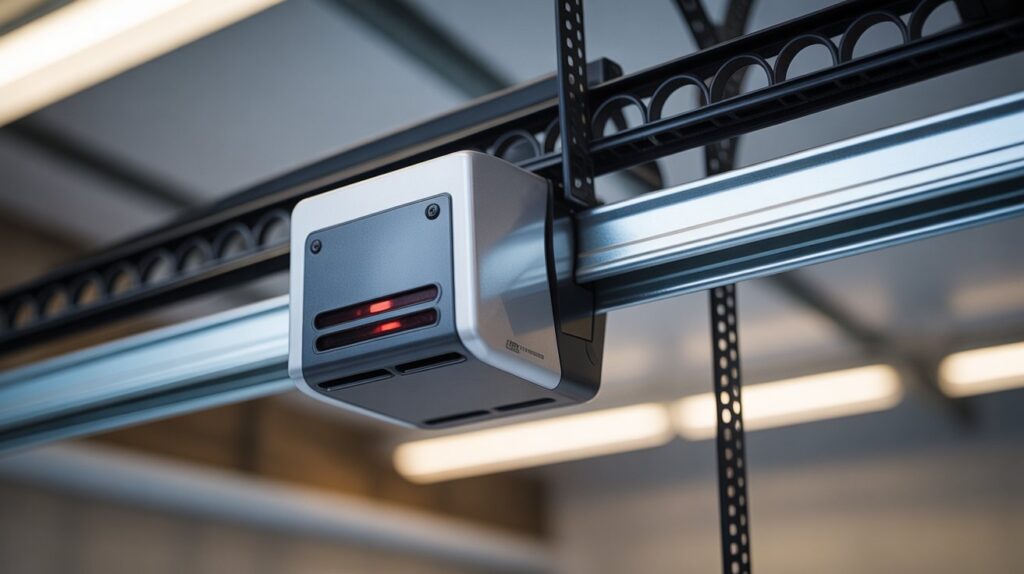
Introduction
Have you ever pressed the garage door button, only to watch it stop halfway, with one sensor completely dark? That moment of frustration can turn into real worry — especially when you realize your family, pets, or car rely on that door’s safety system every day.
One garage door sensor not lighting up is more than a minor inconvenience. It’s a signal that the infrared safety beam isn’t working properly, and your garage door won’t close until the issue is fixed. In homes across the United States, this small light can make a huge difference in preventing accidents, protecting children, pets, and property.
In this guide, we’ll walk you through why this happens, how garage door sensors work, common causes, and safe troubleshooting steps — all in simple, clear language so you can restore safety and peace of mind quickly.
Table of Contents
Why Is One Garage Door Sensor Not Lighting Up?
You press the wall button, the garage door starts to move — and then stops. One sensor shows a steady light, but the other is completely dark. Now the door won’t close, and you’re stuck standing there, already late for work. It’s frustrating. But more than that, it’s a safety concern.
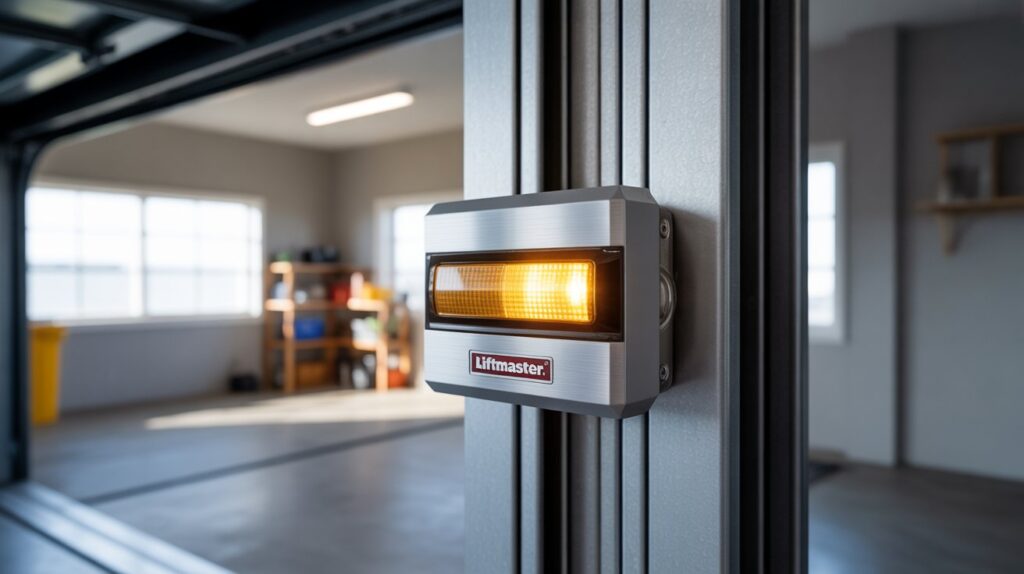
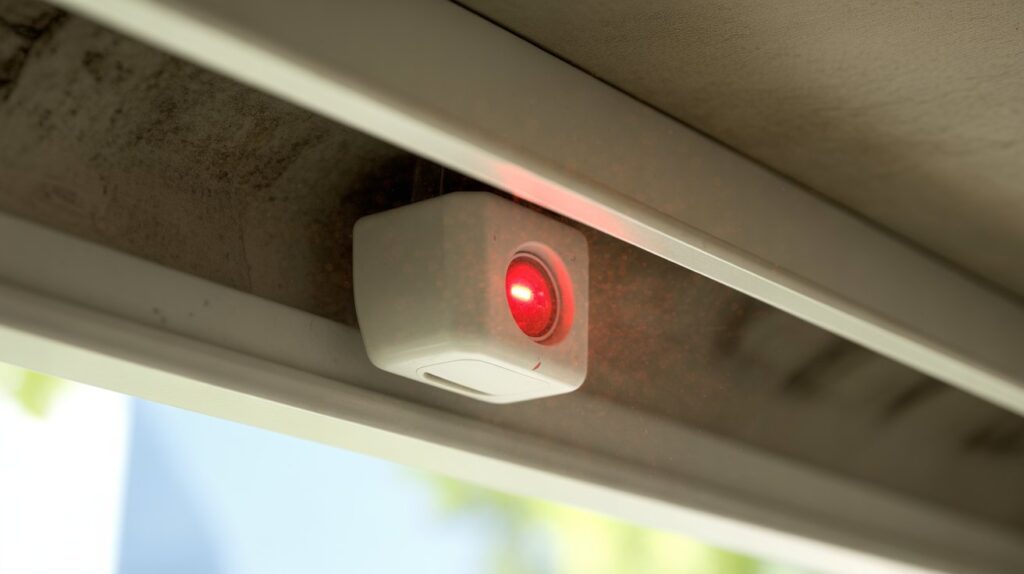
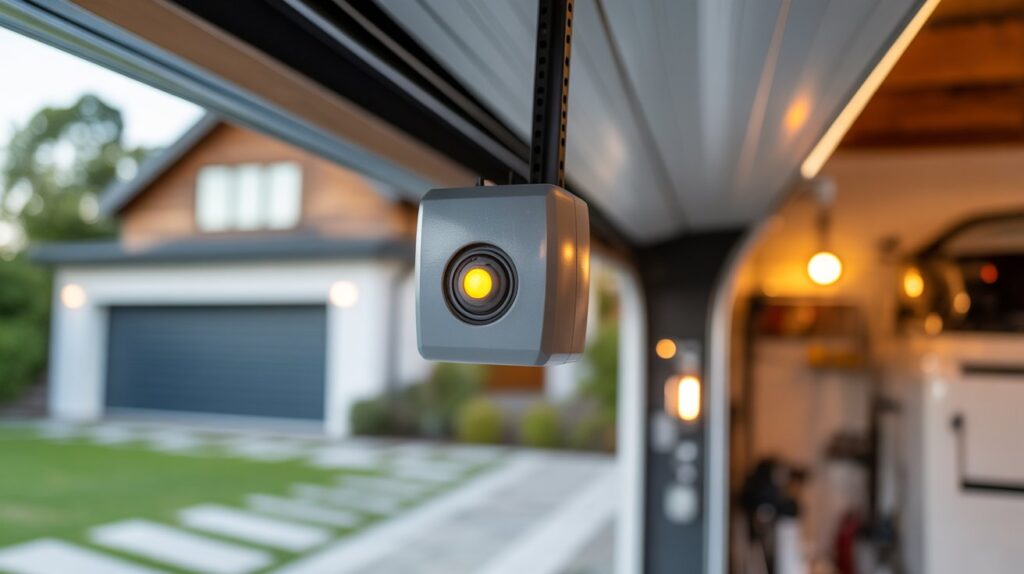
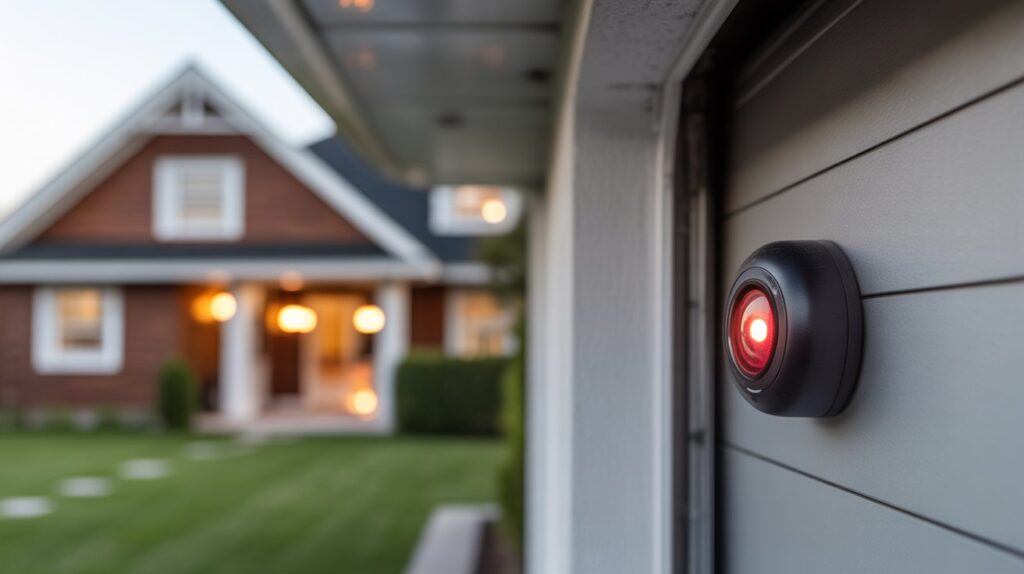
When you notice one garage door sensor not lighting up, it usually means the safety system isn’t working the way it should. Modern garage door openers in the United States are designed with photo-eye safety sensors that prevent the door from closing if something is in the way. These small devices sit near the bottom of the tracks and create an invisible infrared beam across the doorway. If that beam is interrupted — or if one sensor has no power — the garage door won’t close properly.
This matters because your garage door is one of the heaviest moving parts in your home. In American households, where garages are often used daily for cars, storage, and even as main entry points, a malfunctioning garage door sensor can pose real risks. Children, pets, and even your vehicle depend on that sensor system working correctly. A dark sensor light isn’t just an inconvenience — it’s a warning sign.
In many cases, one garage door sensor not lighting up points to a power issue, wiring problem, misalignment, or internal failure. Whatever the cause, the system is designed to fail safely. That means if something isn’t right, the door simply won’t close. It’s built that way to protect you and your family.
Understanding why that small light is off is the first step toward restoring both convenience and safety.
How Garage Door Safety Sensors Actually Work
- Garage door safety sensors use an infrared beam system placed near the bottom of both tracks.
- One sensor sends an invisible beam, and the other sensor receives it.
- If the beam is blocked or interrupted, the garage door opener stops closing to prevent accidents.
- Both sensors must show indicator lights because:
- One light confirms the sensor has power.
- The other confirms proper alignment and signal reception.
- One light confirms the sensor has power.
- If you notice one garage door sensor not lighting up, it usually means the safety circuit is incomplete, and the door will not close for protection reasons.
- There is a difference between the two lights:
- Power light – shows the sensor is receiving low-voltage electricity from the opener.
- Alignment light – confirms the infrared beam is correctly lined up and communicating.
- Power light – shows the sensor is receiving low-voltage electricity from the opener.
- Most U.S. garage door opener systems, including brands like LiftMaster, Chamberlain, and Genie, use this same photo-eye safety technology.
When both lights are solid and steady, your garage door safety sensors are working correctly. If one is dark, the system is designed to stop — not to annoy you — but to protect your home, your car, and your family.
Common Reasons One Garage Door Sensor Is Not Lighting Up
If you’re dealing with one garage door sensor not lighting up, the issue usually falls into three main categories: power problems, physical damage, or alignment trouble. The good news? Most causes are common and fixable once you know where to look.
Power Supply Issues
In many U.S. homes, the most frequent reason a garage door sensor goes dark is a simple power interruption. These sensors run on low-voltage wiring connected to the garage door opener motor.
Common power-related causes include:
- Loose wiring – Small wires can become loose at the sensor terminal or the opener unit over time.
- Disconnected low-voltage cable – Vibration from daily garage door use may pull a wire free.
- Tripped breaker or opener issue – A power surge or breaker trip can cut electricity to the system.
If one sensor has no light at all, it often means it isn’t receiving power. Without power, the safety beam cannot function, and the garage door will refuse to close — exactly as it’s designed to do.
Sensor Damage or Failure
Sometimes the problem isn’t wiring — it’s the sensor itself. Like any electronic component, garage door safety sensors can wear out.
Typical damage-related causes include:
- Water exposure – Rain, flooding, or excess moisture in humid garages can damage internal parts.
- Age-related wear – Older sensors may fail after years of daily use.
- Internal circuit failure – A small internal component can stop working without warning.
If you’ve checked the wiring and still see one garage door sensor not lighting up, the sensor may need replacement.
Misalignment or Obstruction
Garage door sensors must face each other perfectly to maintain the infrared safety beam. Even slight movement can break that connection.
Common alignment problems include:
- Bent brackets – A bump from a trash can or car tire can shift the sensor angle.
- Dirt on the lens – Dust, spider webs, or debris can block the infrared signal.
- Sunlight interference – Direct sunlight hitting the sensor lens can disrupt the beam in some U.S. garages.
When alignment is off, one sensor may show a weak or blinking light — or none at all. A small adjustment can often restore proper function and get your garage door operating safely again.
Understanding these common causes helps you narrow down the issue quickly and avoid unnecessary stress.
Step-by-Step Troubleshooting Guide (Safe DIY Checks)
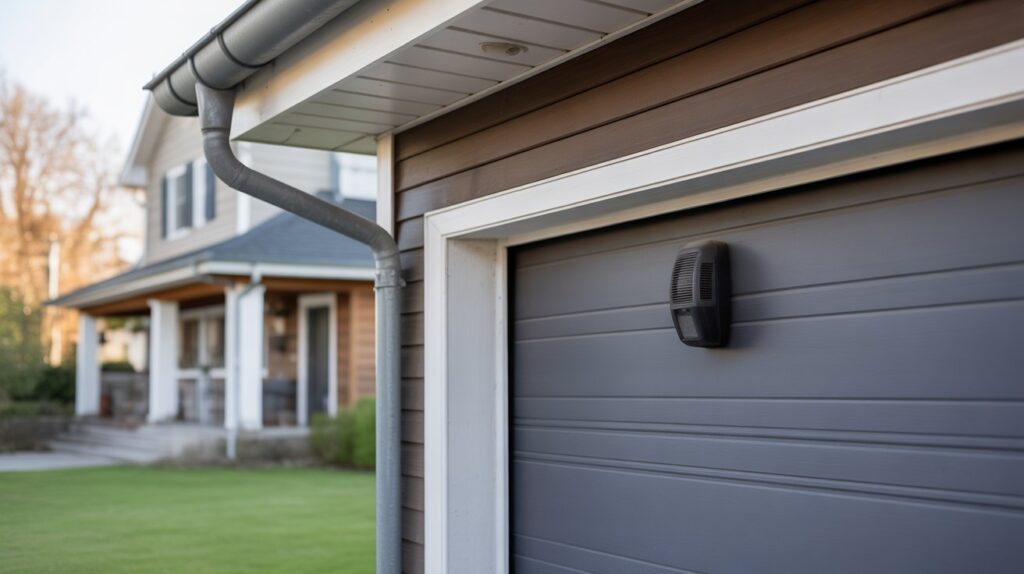
If you’re facing one garage door sensor not lighting up, follow these safe, simple checks before calling a professional. Most homeowners in the U.S. can handle these steps in minutes.
- Turn off power first
- Unplug the garage door opener or switch off the breaker.
- This protects you from electrical shock while inspecting low-voltage wiring.
- Unplug the garage door opener or switch off the breaker.
- Inspect wiring connections
- Check both sensors for loose or disconnected wires.
- Make sure the thin low-voltage cables are firmly secured at the sensor terminals and the opener motor unit.
- Look for damaged, pinched, or chewed wires.
- Check both sensors for loose or disconnected wires.
- Clean the sensor lenses
- Use a soft cloth to gently wipe both photo-eye lenses.
- Remove dust, dirt, or spider webs that could block the infrared safety beam.
- Use a soft cloth to gently wipe both photo-eye lenses.
- Check alignment
- Make sure both sensors face each other directly.
- Adjust slightly until both indicator lights turn solid and steady.
- Tighten brackets if they feel loose or bent.
- Make sure both sensors face each other directly.
- Reset the garage door opener (if needed)
- After checking everything, restore power.
- Press the opener reset button or cycle the breaker off and back on.
- Test the door to confirm the safety sensors are working properly.
- After checking everything, restore power.
If one garage door sensor is not lighting up even after these checks, the sensor may be faulty and need replacement. Always prioritize safety — the system is designed to stop closing when something isn’t right.
When to Call a Professional in the USA
If you’ve tried basic troubleshooting and still have one garage door sensor not lighting up, it may be time to involve a trained technician. While many sensor issues are simple, some problems require professional tools and experience.
Signs the Problem Is Beyond DIY
You should consider calling a garage door professional if:
- Wiring appears damaged inside the wall or ceiling
- The garage door opener motor unit is malfunctioning
- Both sensors fail to power on after reset
- The door behaves unpredictably or reverses suddenly
In these cases, continuing to test the system yourself could create safety risks or cause further damage.
Why Safety Sensors Are Not Optional
Garage door safety sensors are not just convenience features — they are federally required on residential garage doors manufactured after 1993. These systems are designed to meet safety guidelines established by organizations like Underwriters Laboratories (UL), which set strict standards for automatic door openers in the United States.
If one garage door sensor is not lighting up, the system is intentionally preventing the door from closing. That fail-safe design protects children, pets, vehicles, and anyone walking underneath the door. Bypassing or ignoring the issue is never recommended.
Cost Expectations in the U.S.
For most American homeowners, professional garage door sensor repair is affordable. Typical costs may include:
- $75–$150 for a service call and minor wiring fix
- $100–$250 for sensor replacement, depending on brand and labor rates
Prices vary by state and service provider, but safety repairs are generally far less expensive than dealing with an injury or major door damage.
Calling a licensed garage door technician ensures the system is properly tested, aligned, and compliant with U.S. safety standards. When it comes to a heavy moving door above your car and family, peace of mind is worth it.
.
Final Thoughts: Don’t Ignore a Dark Sensor Light
When you notice one garage door sensor not lighting up, it may seem like a small technical issue. But in reality, it’s your garage door safety system asking for attention. These sensors are designed to protect your family, your pets, and your property. When one light goes dark, the system shuts down for a reason — safety always comes first.
In most U.S. homes, the garage door is used every single day. Taking a few minutes to inspect wiring, alignment, or possible damage can restore both convenience and peace of mind. And if the problem goes beyond a simple fix, calling a qualified technician ensures your system remains compliant with modern safety standards.
Now take a moment to think — if something as small as a sensor light can protect what matters most, isn’t it worth fixing right away?
FAQs
Why is one of my garage door sensors not lighting up?
It’s usually a power, alignment, or sensor issue preventing the safety beam from activating.
Should both garage door sensors be lit up?
Yes, both lights indicate proper power and alignment for safe operation.
Why is my sensor light not coming on?
The sensor may have a loose wire, misalignment, or internal fault.
How to reset garage sensor light?
Power off the opener, check connections, then restore power to reset the sensors.
How to test a garage door sensor?
Block the beam and see if the door stops closing; a working sensor responds instantly.
How to set sensor light?
Adjust the sensor until both lights are solid, indicating proper alignment and power.
How do I turn my sensor light back on?
Inspect wiring, clean lenses, and ensure the sensor is correctly aligned to restore the light.
How to check if a light sensor is working?
Observe the indicator light and test the door; it should reverse when the beam is blocked.
What are the three settings on a sensor light?
Power on, alignment (beam active), and fault/blinking mode indicating a problem.